
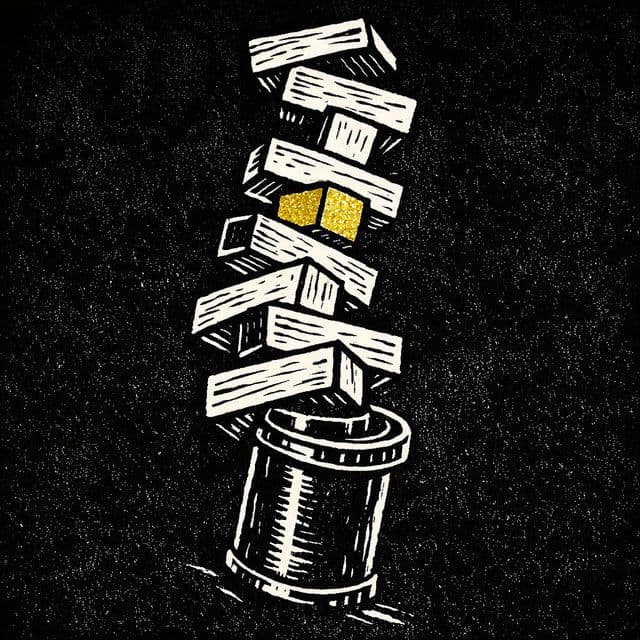
How George Lucas gave up his Star Wars paycheck for the merchandising rights
The gamble nobody understood at the time: Lucas took a smaller directing fee in exchange for sequel and merchandising rights, and accidentally built one of the largest entertainment empires on Earth.
Listen in the Fylom app.
George Lucas traded a four hundred fifty thousand dollar salary cut for full merchandising and sequel rights.
Major toy companies Mattel and Hasbro rejected the project before Kenner signed for a low flat fee.
Kenner sold empty boxes with vouchers because they were unprepared for the film's massive success.
Lucas used a fifteen million dollar bank loan to self-fund sequels and bypass studio creative interference.
Merchandise sales generated four and a half billion dollars by nineteen ninety-nine to fund the prequel trilogy.
Modern studio contracts now include Lucas Clauses to prevent creators from owning lucrative merchandising rights.
- 01Intro1 min
- 02The Fifty Thousand Dollar Director2 min
- 03The Accidental Empire3 min
- 04The Power of the Sequel Clause3 min
- 05The Four Billion Dollar Legacy3 min
- 06Outro1 min
- Lucas controls a marketing Force - May 19, 1999
- By George, He Can Thank His Lucky ‘Stars’
- How George Lucas Won Control of the 'Star Wars' Movie Franchise
- The Star Wars Business Decision That Quietly Changed Hollywood Forever
- George Lucas On How He Built His $4 Billion ‘Star Wars’ Empire
- How a failure to pay $500,000 changed cinema history
- George Lucas's Unusual Star Wars Deal: A Creative Risk That Paid Off - Project Casting
- Why George Lucas Took A Half-Million Dollar Pay Cut On The First Star Wars Movie
- Reaching for the stars? How merchandising became the film ... - CITMA
- How George Lucas Bet on Himself—and Won Big with 'Star Wars'
- How George Lucas convinced 20th Century Fox to green light 'The Star Wars' film in 1973 | The Astromech
- https://www.citma.org.uk/resources/trade-marks-ip/intellectual-property-blog/reaching-for-the-stars-how-merchandising-became-the-film-industry-s-golden-ticket-blog.html
- George Lucas’s toy story
- The Loyalty of Laddie: Alan Ladd Jr. Gambled on George Lucas and We All Won - Star Wars News Net
- Star Wars will make its real money in the mall, not the cinema | Vox
- George Lucas on 'The Empire Strikes Back' for 45th anniversary
- Reaching for the stars? How merchandising became the film industry’s golden ticket - Barker Brettell
- Tom Pollock Legacy made Hollywood's Greatest Deal George Lucas Star Wars Sequel Rights
- How 'Star Wars' Made George Lucas Billions - Business Insider
Fylom generates episodes like this on any topic you're curious about.
Fylom episodes are researched, written, and voiced by AI. Automated checks help catch inaccuracies, but episodes aren't reviewed by a human and AI can still get things wrong. Treat them as a starting point, not a source of record — more in our accuracy disclaimer.