
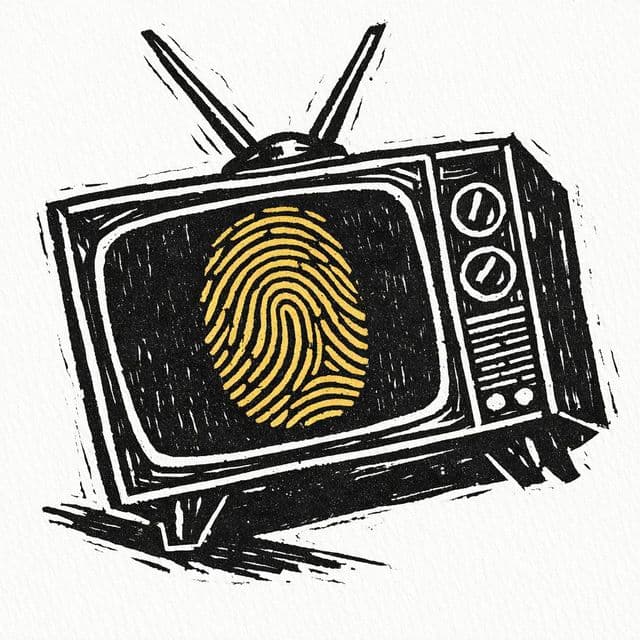
The CSI effect: how crime TV reshaped real courtrooms
Decades of forensic dramas have changed what juries expect from evidence and how prosecutors and defense attorneys argue their cases — an unintended consequence of entertainment on real verdicts.
Listen in the Fylom app.
Television dramas create a burden of entertainment where jurors expect cinematic high-resolution satellite sweeps.
Seventy-three percent of jurors in a Michigan study expected DNA evidence in every rape case.
Attorneys now use negative evidence witnesses to explain why forensic samples are often missing.
Crime shows frequently omit the high error rates and subjectivity found in real bite-mark analysis.
Real forensic labs face massive backlogs while television shows process toxicology screens in twenty minutes.
Judges now use specific jury instructions to counter expectations set by forensic crime dramas.
- 01Intro1 min
- 02The Birth of a Legal Myth2 min
- 03The Data vs. The Drama3 min
- 04The Burden of Proof and Tactical Shifts3 min
- 05The Dark Side: Forensic Infallibility2 min
- 06Outro1 min
- The CSI Effect
- Archived | The 'CSI Effect': Does It Really Exist? | National Institute of Justice
- The CSI Effect: Fact or Fiction | Yale Law Journal
- CSI and its Effects: Media, Juries, and the Burden of Proof
- The ‘CSI Effect’: Does It Really Exist?
- A Study of Juror Expectations and Demands Concerning Scientific Evidence: Does the 'CSI Effect' Exist?
- Is The 'CSI Effect' Influencing Courtrooms? : NPR
- [PDF] Fact or Fiction? The Myth and Reality of the CSI Effect
- Volume 59, Issue 1
- CSI effect - Wikipedia
- An Indirect-Effects Model of Mediated Adjudication: The CSI Myth, the Tech Effect, and Metropolitan Jurors' Expectations for Scientific Evidence
- Investigating the 'CSI Effect' Effect | Stanford Law Review
- A Study of Juror Expectations and Demands Concerning Scientific Evidence: Does the "CSI Effect" Exist?
- JUROR EXPECTATIONS FOR SCIENTIFIC EVIDENCE IN CRIMINAL CASES: PERCEPTIONS AND REALITY ABOUT THE “CSI EFFECT” MYTH
- Studying Juror Expectations for Scientific Evidence: A New Model for Looking at the CSI Myth
Fylom generates episodes like this on any topic you're curious about.
Fylom episodes are researched, written, and voiced by AI. Automated checks help catch inaccuracies, but episodes aren't reviewed by a human and AI can still get things wrong. Treat them as a starting point, not a source of record — more in our accuracy disclaimer.