
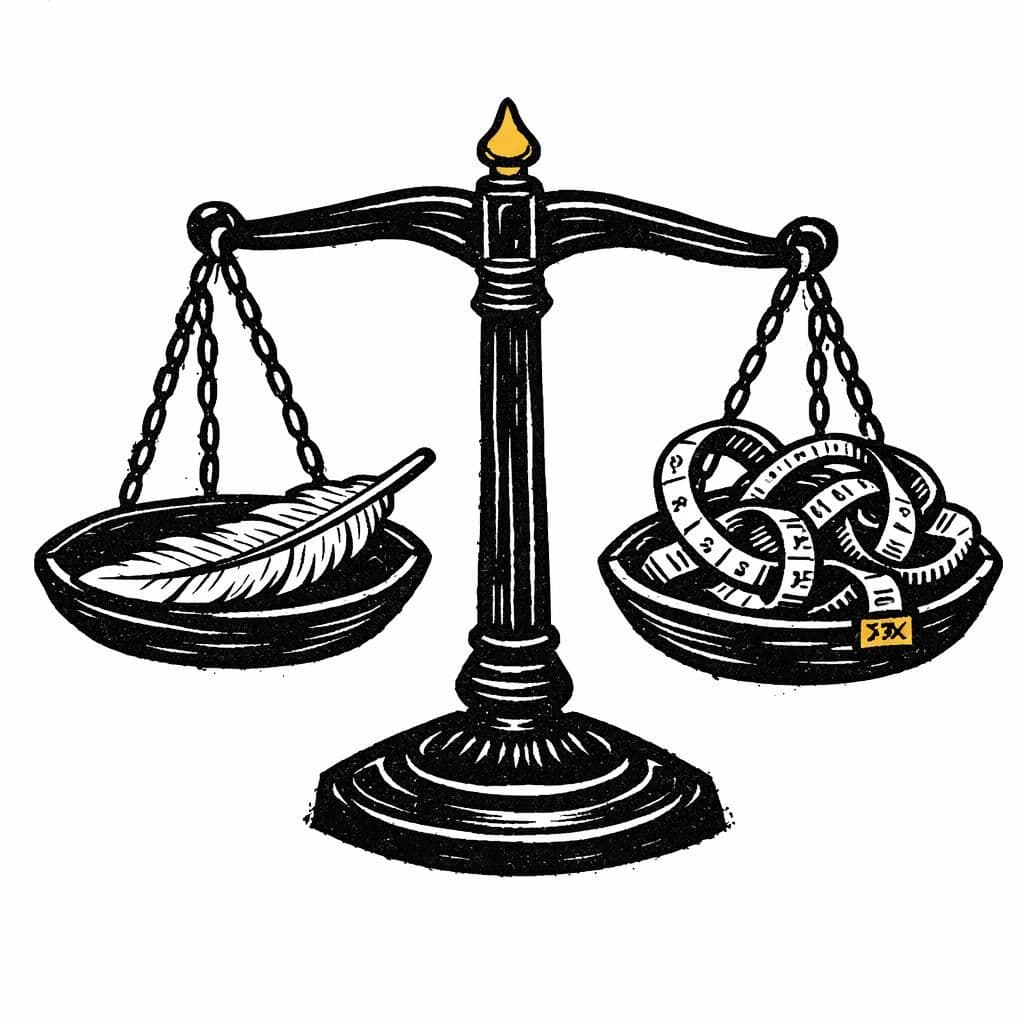
The Pay-for-Success Wall: Why Social Impact Bonds are Stalling
An investigation into the 'pay-for-success' model, exploring why high-profile recidivism and education projects are missing their targets and what this means for the future of private investment in social services.
Listen in the Fylom app.
Private investors fund social programs upfront and only receive government repayment if specific success metrics are met.
The first United States social impact bond failed after institutional friction at Rikers Island hindered program effectiveness.
Goldman Sachs lost one point two million dollars when a recidivism program failed to meet payout benchmarks.
Utah preschool investors faced criticism for using questionable testing to identify at-risk children and secure payouts.
High legal and actuarial costs often make social impact bonds more expensive than traditional government funding.
Financial models struggle to account for the non-linear recovery paths of chronic addiction and domestic trauma.
- 01Intro1 min
- 02The Mechanics of a Social Bet2 min
- 03The Rikers Island Reality Check3 min
- 04The Data Friction: Utah and the Counterfactual Problem2 min
- 05The Human Service Paradox2 min
- 06Outro1 min
Fylom generates episodes like this on any topic you're curious about.
Fylom episodes are researched, written, and voiced by AI. Automated checks help catch inaccuracies, but episodes aren't reviewed by a human and AI can still get things wrong. Treat them as a starting point, not a source of record — more in our accuracy disclaimer.