
The Dancing Plague of 1518
In Strasbourg, dozens and then hundreds of people were seized by an unstoppable compulsion to dance for weeks — documented in city records and physician reports — with contemporary chronicles claiming some danced until they collapsed. What caused it is still argued today.
Listen in the Fylom app.
Frau Troffea danced involuntarily for six days straight before thirty-four others joined her within a week.
Strasbourg physicians incorrectly diagnosed the dancing as overheated blood and prescribed more dancing as a cure.
City authorities hired musicians and built wooden platforms that inadvertently turned the crisis into a synchronized marathon.
Ergotism is unlikely because the fungus causes violent spasms rather than the fluid movements observed in Strasbourg.
Mass psychogenic illness was likely triggered by extreme famine and a cultural belief in Saint Vitus's curse.
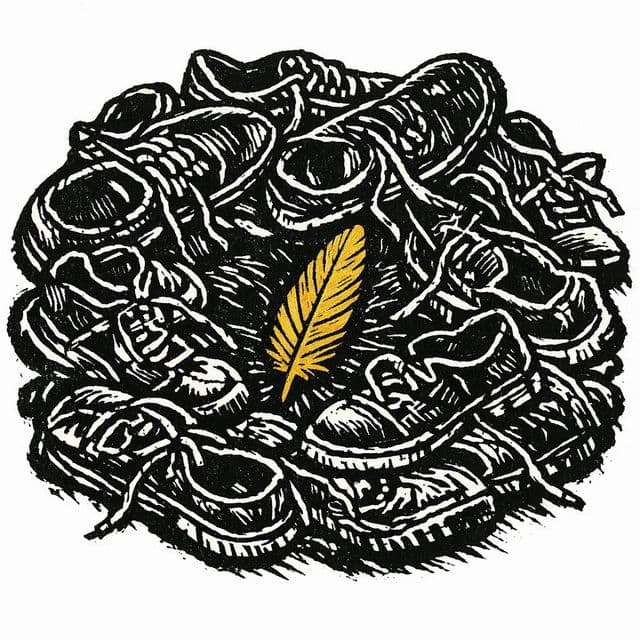
The epidemic only ended after the afflicted performed spiritual rituals and received blessed red shoes at Saverne.
- 01Intro1 min
- 02The First Step of Frau Troffea2 min
- 03The Fatal Prescription3 min
- 04The Ergotism and Cult Hypotheses2 min
- 05The Curse of Saint Vitus2 min
- 06Outro1 min
- Dancing plague of 1518 | Facts & Theories
- What Was the Dancing Plague of 1518? | HISTORY
- A Woman Began to Dance Against Her Will. Other People Followed, and It Turned Deadly.
- doi:10.1016/j.endeavour.2008.05.001
- The Dancing Plague of 1518 - Time & Tales Podcast - Apple Podcasts
- The Dancing Plague Reconsidered v2
- Keep on moving: the bizarre dance epidemic of summer 1518 | Dance | The Guardian
- Dancing plague of 1518
- How the Dancing Plague of 1518 Worked - Stuff You ...
- The Dancing Plague of 1518: Strasbourg’s Mass Hysteria | Podcast Episode on RSS.com
- What caused Strasbourg’s dancing plague of 1518? | National Geographic
- Dancing plague of 1518 | Facts & Theories | Britannica
- The people who 'danced themselves to death'
Fylom generates episodes like this on any topic you're curious about.
Fylom episodes are researched, written, and voiced by AI. Automated checks help catch inaccuracies, but episodes aren't reviewed by a human and AI can still get things wrong. Treat them as a starting point, not a source of record — more in our accuracy disclaimer.