
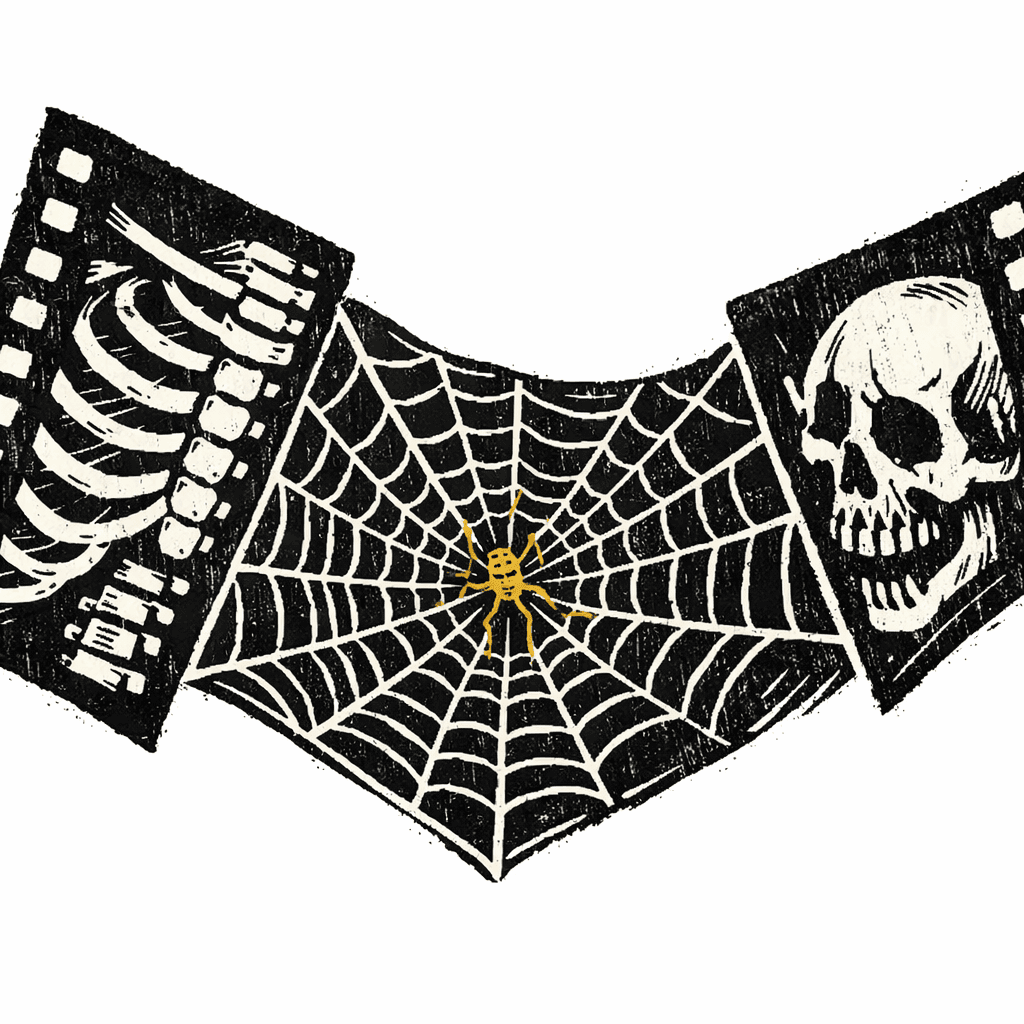
Offshore doctors manually label data for medical AI
While headlines focus on autonomous diagnostic models, a massive offshore workforce of doctors in low-wage regions is manually drawing boxes on CT scans. This dependency creates a fragile feedback loop where the quality of Western medicine rests on the fatigue of thousands of ghost workers.
Listen in the Fylom app.
Radiology dominates the medical AI market, accounting for seventy-five percent of all FDA-cleared devices.
Offshore hubs in the Philippines and Kenya use licensed nurses to label thousands of medical images.
Economic arbitrage allows firms to replace fifty-dollar-per-hour US abstractors with lower-cost global medical graduates.
Human fatigue from ten-hour shifts tracing tumor edges creates systemic noise in AI training data.
The European Union AI Act will require new transparency for high-risk medical data starting January twenty twenty-six.
Only twenty-nine percent of medical AI tools currently provide high-quality validation data for their models.
- 01Intro1 min
- 02The Invisible Foundation of Medical AI2 min
- 03The Geography of the Ghost Workforce2 min
- 04The Precision Crisis: When Doctors Get Tired3 min
- 05Regulatory Gaps and Data Colonialism3 min
- 06Outro1 min
Fylom generates episodes like this on any topic you're curious about.
Fylom episodes are researched, written, and voiced by AI. Automated checks help catch inaccuracies, but episodes aren't reviewed by a human and AI can still get things wrong. Treat them as a starting point, not a source of record — more in our accuracy disclaimer.