
Science & discovery
What's happening in science this week. From fresh discoveries to how the world actually works.
Open this topic in the app to listen.
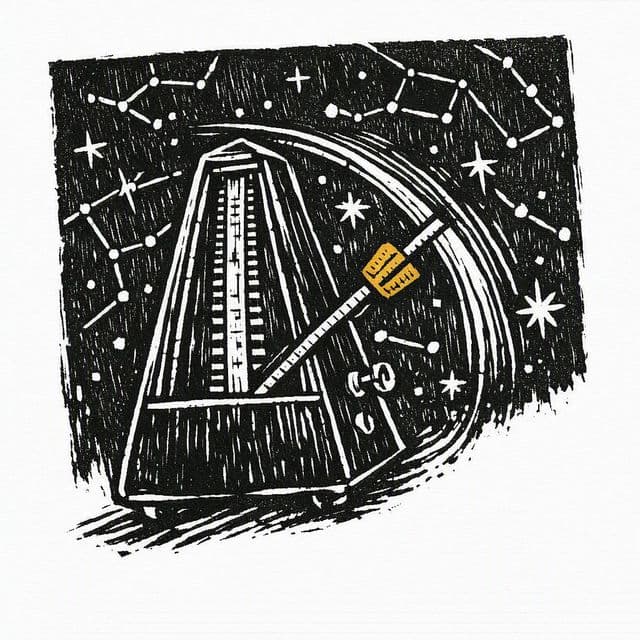
In 1908, a Harvard 'computer' named Henrietta Leavitt noticed that certain pulsing stars flickered on a fixed schedule tied to their brightness. That single pattern became the yardstick that let astronomers measure cosmic distances and prove the universe was vastly bigger than anyone imagined.
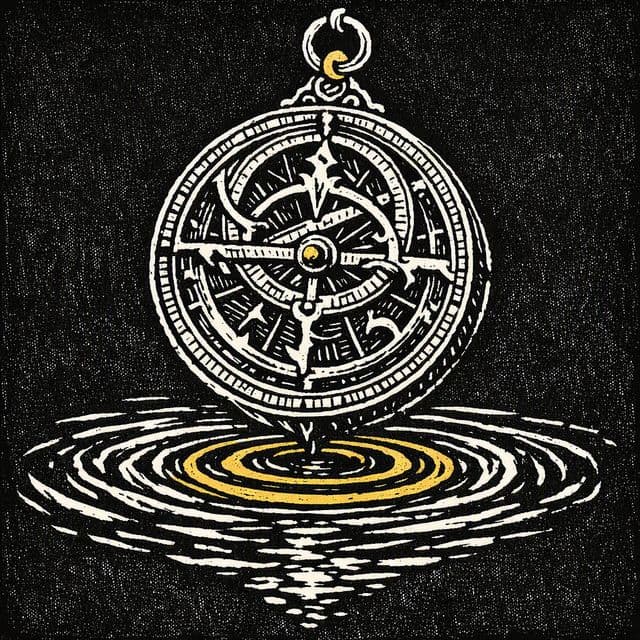
Edmond Halley studied a handful of historical comet sightings and made an audacious bet: they were all the same object, returning on a schedule. He staked his reputation on a prediction he would never live to see confirmed. This is the story of how one man turned a streak of light into a clock for the solar system.
In Crimea's military hospitals, more soldiers died from infection than battle wounds — and Florence Nightingale proved it with a radical circular diagram. This is the story of how a rose-shaped chart forced a stubborn government to accept that sanitation, not bullets, was the real killer.
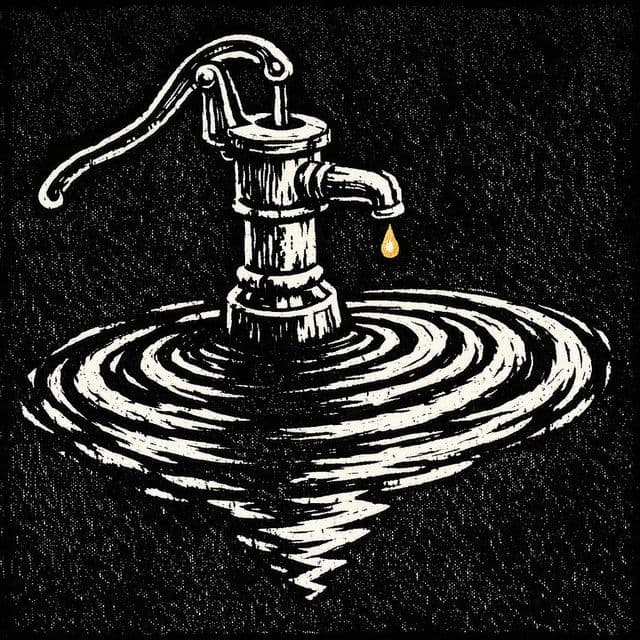
In 1854, physician John Snow traced a deadly cholera outbreak to a single water pump by drawing dots on a street map, defying the belief that disease spread through foul air. His stubborn detective work in Soho became the founding moment of modern epidemiology. This is the story of how a map beat a miasma.
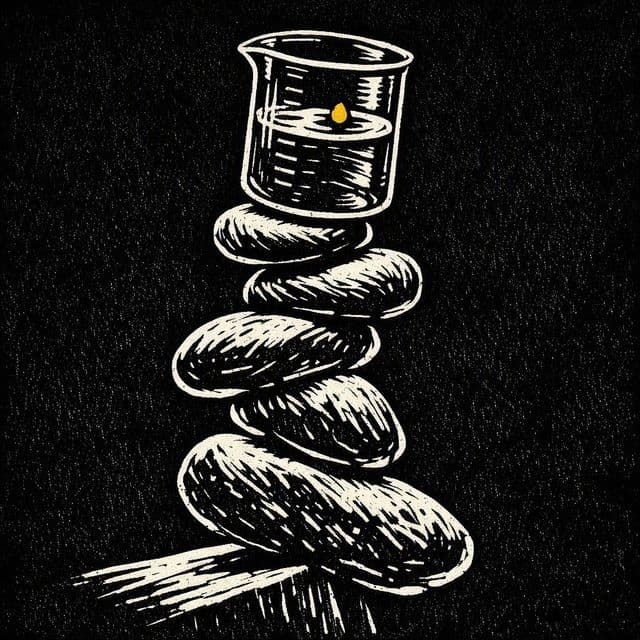
In 1984 Barry Marshall couldn't convince anyone that ulcers were caused by bacteria, not stress, so he swallowed a beaker of Helicobacter pylori and gave himself gastritis. This episode follows the messy, ridiculed decade between his hunch and the Nobel Prize that proved the establishment wrong.
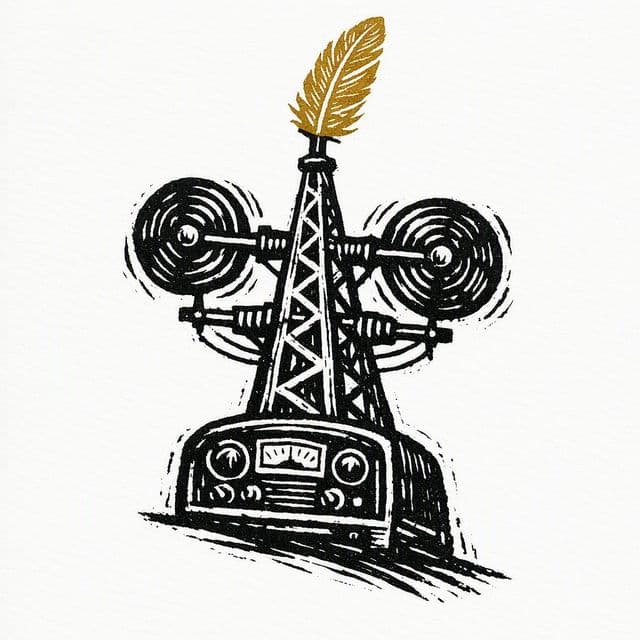
In 1964, two engineers kept hearing a faint hiss in their antenna and blamed pigeon droppings before scrubbing every bolt. The noise was actually the afterglow of the universe's birth, and it won them a Nobel Prize. This is the story of how the biggest discovery in cosmology arrived disguised as an annoying glitch.
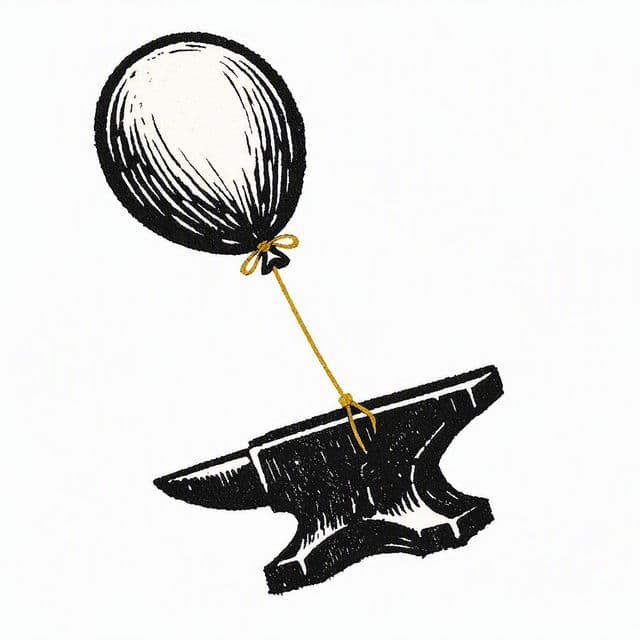
In 1925, a graduate student named Cecilia Payne figured out what stars are actually made of — and was pressured to call her own correct conclusion 'spurious.' This is the story of one thesis that quietly rewrote our understanding of the cosmos, and how long it took for her to get credit.
For centuries, the Architeuthis was dismissed as a sailor's myth until a single photograph changed marine biology forever.
Podcast episodes about how the world actually works, researched and written fresh for every topic. The stream runs from live physics — muons wobbling faster than theory allows, the hunt for superheavy elements on the island of stability — to the science hiding in plain sight: why almost nothing in nature is truly blue, how Roman concrete heals itself, why helium is the only element Earth loses forever. If a question isn't in the catalog yet, type it into Fylom and it becomes your next episode.
Fylom episodes are researched, written, and voiced by AI. Automated checks help catch inaccuracies, but episodes aren't reviewed by a human and AI can still get things wrong. Treat them as a starting point, not a source of record — more in our accuracy disclaimer.