
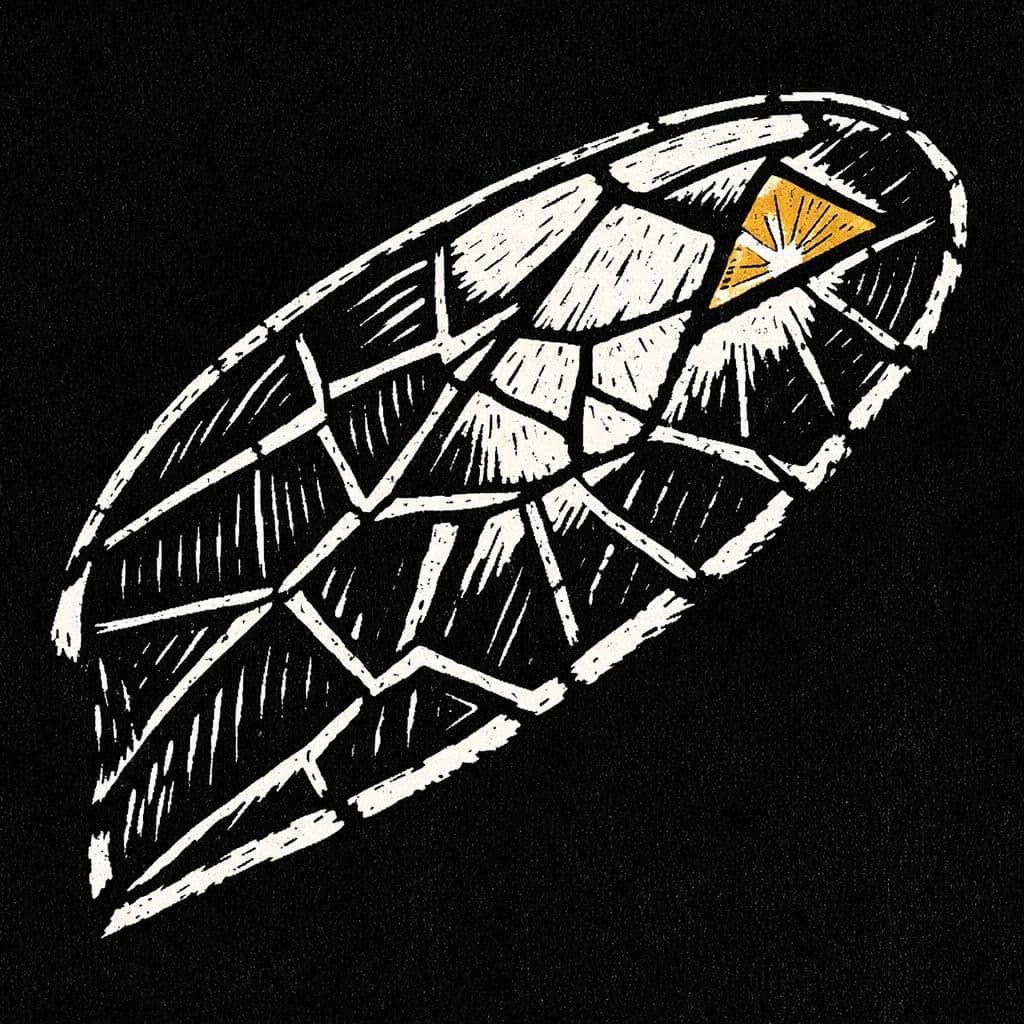
The Blue Illusion: Nature's Microscopic Mirrors
While the sky and ocean are blue, almost no animals can actually produce blue pigment. We examine the physics of structural color and why nature prefers to trick the eye with microscopic mirrors rather than making blue ink.
Listen in the Fylom app.
Exploration of why blue pigment is nearly non-existent in animals.
Deep dive into the physics of thin-film interference and Rayleigh scattering.
The story of the Obrina Olivewing, the rare butterfly with true blue pigment.
How the Blue Morpho butterfly uses 'microscopic Christmas trees' to reflect light.
Why structural color is more durable than chemical pigments over millions of years.
- 01Intro1 min
- 02The Rarity of True Blue2 min
- 03The Physics of the Mirror2 min
- 04Case Study: The Blue Morpho and the Blue Jay3 min
- 05The Evolutionary Advantage of Physics3 min
- 06Outro1 min
Fylom generates episodes like this on any topic you're curious about.
Fylom episodes are researched, written, and voiced by AI. Automated checks help catch inaccuracies, but episodes aren't reviewed by a human and AI can still get things wrong. Treat them as a starting point, not a source of record — more in our accuracy disclaimer.