
The Laugh Track Built From Ghosts
For decades, sitcom laughter came from a single locked briefcase called the Laff Box, holding the recorded chuckles of long-dead audience members. This is the story of Charley Douglass, the engineer who controlled how a nation laughed, and the strange afterlife of those anonymous giggles.
Listen in the Fylom app.
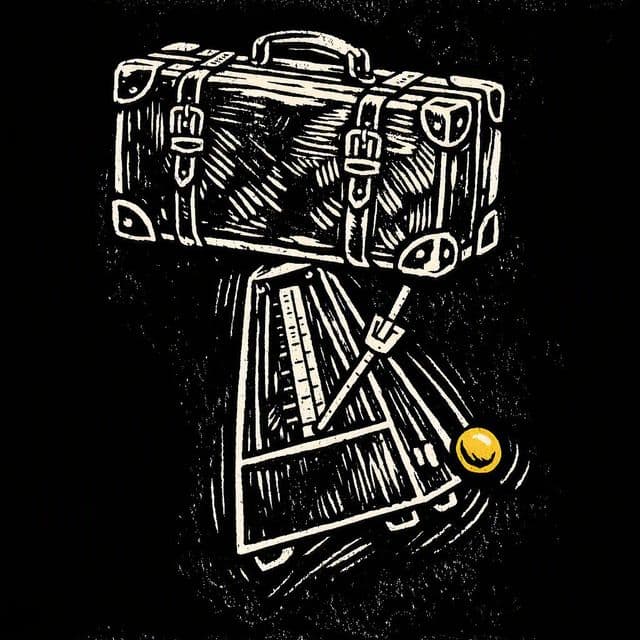
Charles Douglass built a padlocked wooden cabinet containing three hundred and twenty distinct human laughs.
The Laff Box functioned as a musical instrument to layer polite titters and belly laughs.
Television executives used canned laughter to recreate the collective energy of vaudeville for home viewers.
Northridge Electronics formalized the business of manufactured laughter as the industry standard in nineteen sixty.
Social proof serves as a psychological mechanism that validates humor for a family sitting alone.
Single-camera sitcoms eventually replaced laugh tracks to favor a more cinematic and grounded production style.
- 01Intro1 min
- 02The Man with the Padlocked Box2 min
- 03The Industrialization of Giggles2 min
- 04The Psychology of the Canned Chuckle2 min
- 05The Backlash and the Fade Out3 min
- 06Outro1 min
- Laugh track - Wikipedia
- How we fell in and out of love with the Laff Box, the laugh track ...
- The Mysterious Machine That Changed TV Sitcoms Forever
- Charles Douglass - Wikipedia
- Charlie Douglass’ Laff Box Treated Titters and Guffaws Like Musical Instruments
- Who's Laughing Now? The History of the Sitcom Laugh Track
- Charles Douglass, 93; Inventor Brought Canned Laughs to TV
- Where does canned laughter come from – and where did it go?
- The Laugh Track: Loathe It or Love It - JSTOR Daily
- Television is a laughing matter - University of Colorado Boulder
- Why Do Television Shows Use Laugh Tracks? | Britannica
Fylom generates episodes like this on any topic you're curious about.
Fylom episodes are researched, written, and voiced by AI. Automated checks help catch inaccuracies, but episodes aren't reviewed by a human and AI can still get things wrong. Treat them as a starting point, not a source of record — more in our accuracy disclaimer.