
The Beanie Baby Bubble That Fooled a Nation
In the late 1990s, Ty Warner turned plush toys into a speculative asset class by manufacturing artificial scarcity and 'retiring' beanies to spike demand. This is the story of how a single-owner private company engineered a mania that made ordinary families treat toys as retirement funds — and how the bubble quietly collapsed. It's a case study in scarcity marketing and the psychology of manufactured demand.
Listen in the Fylom app.
Ty Warner bypassed mass retailers like Walmart to build a sense of discovery in small gift shops.
The nineteen ninety-five launch of a business-to-consumer website turned heart-shaped tags into digital engagement tools.
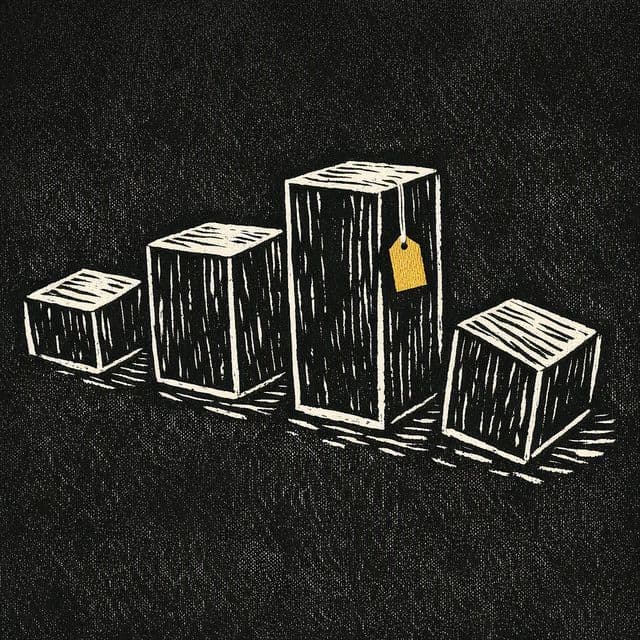
Strict thirty-six-unit monthly store limits and sudden retirements transformed five-dollar toys into speculative financial assets.
At the peak of the mania, Beanie Babies accounted for ten percent of all sales on eBay.
Ty Inc. reached one point four billion dollars in annual sales without spending on traditional advertising.
The market collapsed in two thousand when collectors realized the scarcity was a manufactured corporate lever.
- 01Intro1 min
- 02The Birth of a Plush Empire2 min
- 03Engineering Scarcity3 min
- 04The Peak of the Mania2 min
- 05The Anatomy of a Collapse3 min
- 06Outro1 min
- Beanie Babies - Wikipedia
- How the Beanie Baby Craze Came to a Crashing End | HISTORY
- The Insane History of Beanie Babies - Public.com
- How Playground Rumors and Artificial Scarcity Created the Billion ...
- How the Beanie Baby craze was concocted — then crashed - NY Post
- [Beanie Babies] The rise and fall of the Beanie Baby craze, and the drama it created along the way
- Bursting the Beanie Baby bubble
- Beanie Babies: the Sensation that Swept the Nation
- From Beanie Babies to Labubu, Psychology Sells
- What Made People Lose Their Minds Over Beanie Babies?
Fylom generates episodes like this on any topic you're curious about.
Fylom episodes are researched, written, and voiced by AI. Automated checks help catch inaccuracies, but episodes aren't reviewed by a human and AI can still get things wrong. Treat them as a starting point, not a source of record — more in our accuracy disclaimer.