

Business & startups
Companies being built, broken, and scaled. Strategy, founders, failures, and the occasional fortune.
Open this topic in the app to listen.

The story of Frederic Tudor, the Boston merchant who built a global empire by shipping New England pond ice to the hottest corners of the earth.
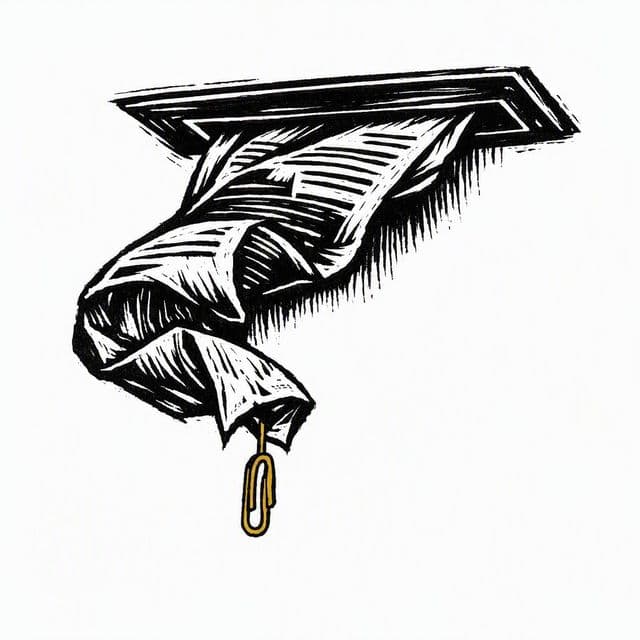
In 1995, Barings Bank—Britain's oldest merchant bank—collapsed because a single trader in Singapore hid catastrophic losses in a secret account he controlled from both the trading and settlement sides. This is the story of how one man's unchecked authority and a few concealed slips of paper toppled a 233-year-old institution that had financed the Napoleonic Wars.
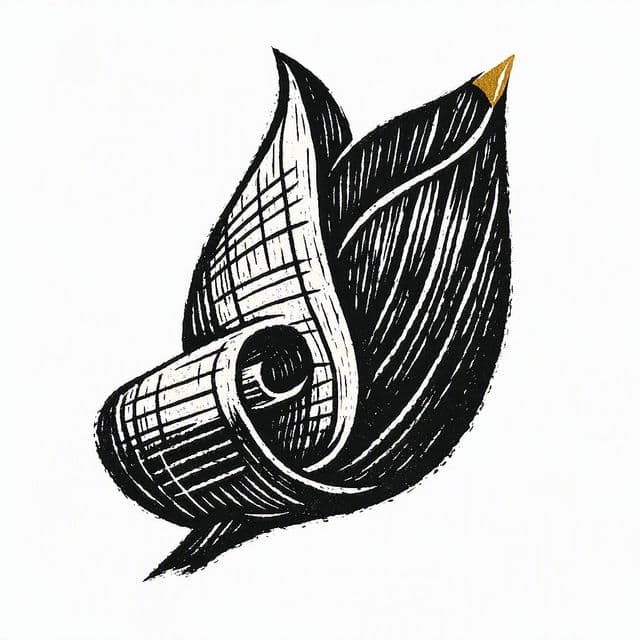
In 1637 Amsterdam, a single rare tulip bulb could cost more than a canal-side mansion, traded through futures contracts by people who never saw a flower. This is the story of how a botanical curiosity became the first speculative bubble, and the ordinary tradesmen who were ruined when it burst overnight.
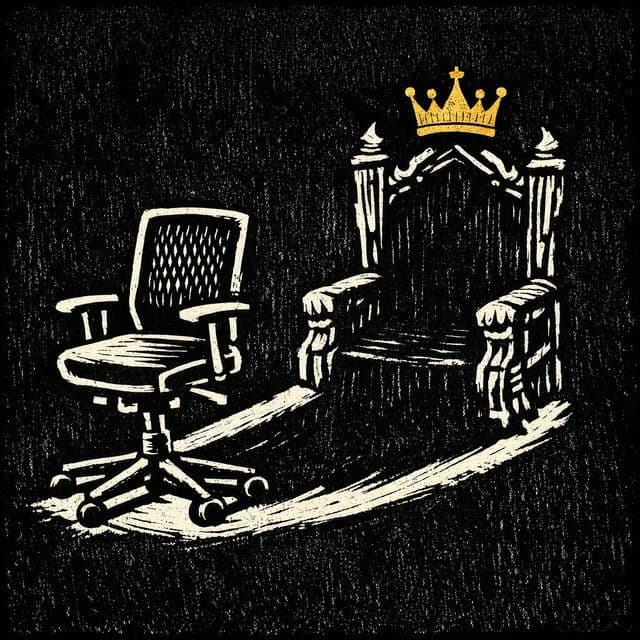
When Herman Miller unveiled a mesh office chair in 1994, focus groups hated its skeletal, unfinished look and predicted commercial disaster. Instead it became a design icon and a symbol of dot-com excess. This is the story of how a product that failed every test became a billion-dollar bet on being right when everyone else was wrong.
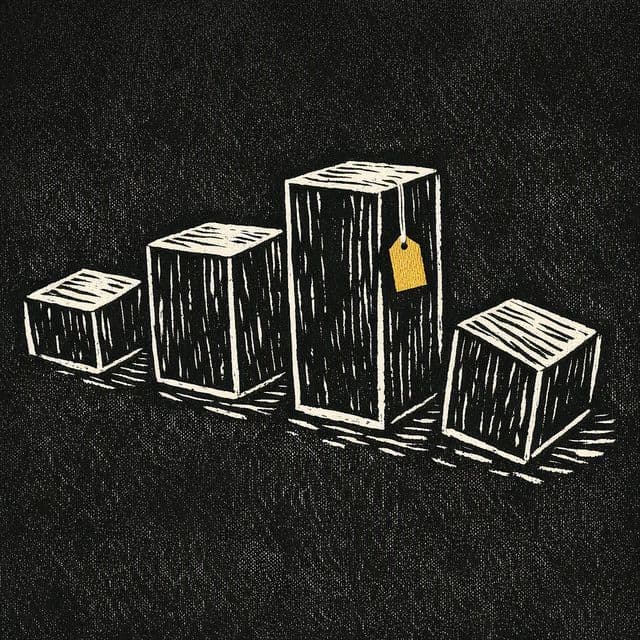
In the late 1990s, Ty Warner turned plush toys into a speculative asset class by manufacturing artificial scarcity and 'retiring' beanies to spike demand. This is the story of how a single-owner private company engineered a mania that made ordinary families treat toys as retirement funds — and how the bubble quietly collapsed. It's a case study in scarcity marketing and the psychology of manufactured demand.

In the 1990s McDonald's launched the Arch Deluxe, a burger engineered for grown-up palates and backed by one of the most expensive ad campaigns in fast-food history. This is the story of how a company famous for reading its customers spent a fortune telling them they had bad taste — and what the flop revealed about who really controls a franchise empire.
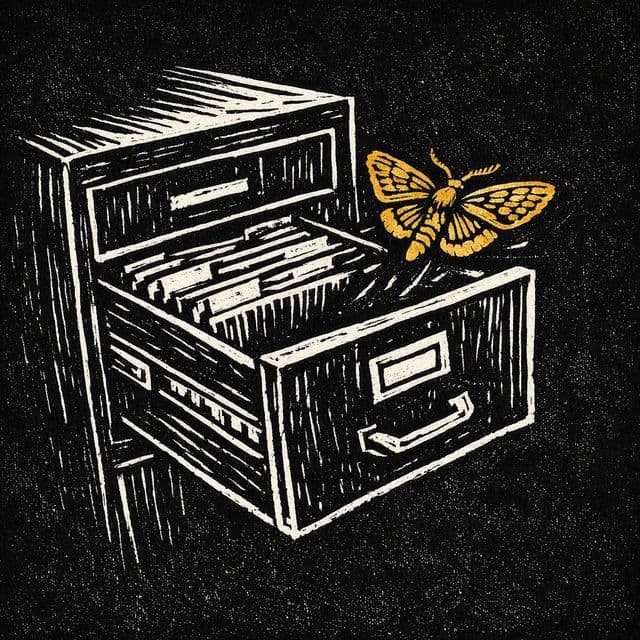
Chester Carlson spent years being rejected by more than twenty companies, including IBM and General Electric, who saw no future in dry copying. This is the story of how a patent obsessive and a tiny nonprofit research institute turned a garage experiment into Xerox — and why the biggest players in tech couldn't see the future sitting in front of them.
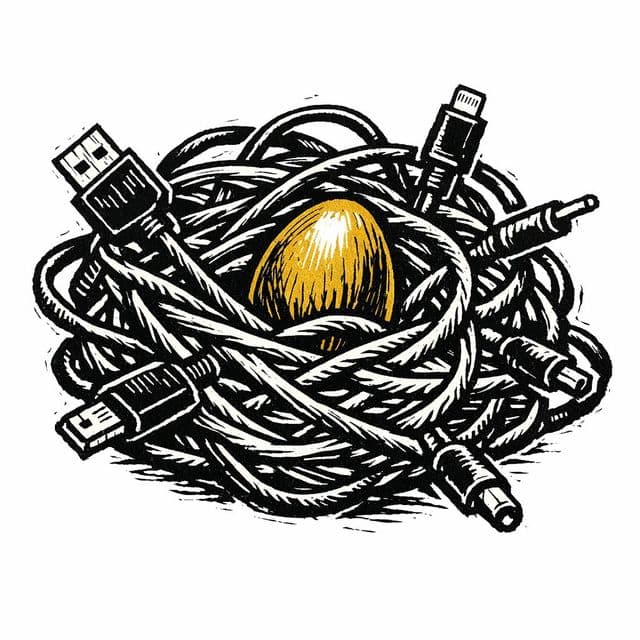
In much of Asia, a single app handles messaging, payments, shopping, and more. Explore how WeChat and its rivals became indispensable, and why Western companies keep trying and failing to build the same thing.
Companies being built, broken, and scaled. Listen to why McDonald's is really a real-estate company, how Theranos sustained a billion-dollar lie, what Nokia and Kodak teach about sitting on your own future, and the loss-leader playbook of burning money to win a market. Strategy, founders, failures, and the occasional fortune — each episode is a case study you can finish on the drive.
Fylom episodes are researched, written, and voiced by AI. Automated checks help catch inaccuracies, but episodes aren't reviewed by a human and AI can still get things wrong. Treat them as a starting point, not a source of record — more in our accuracy disclaimer.