

Psychology
Why people do what they do. New research, old instincts, and the patterns that explain us.
Open this topic in the app to listen.
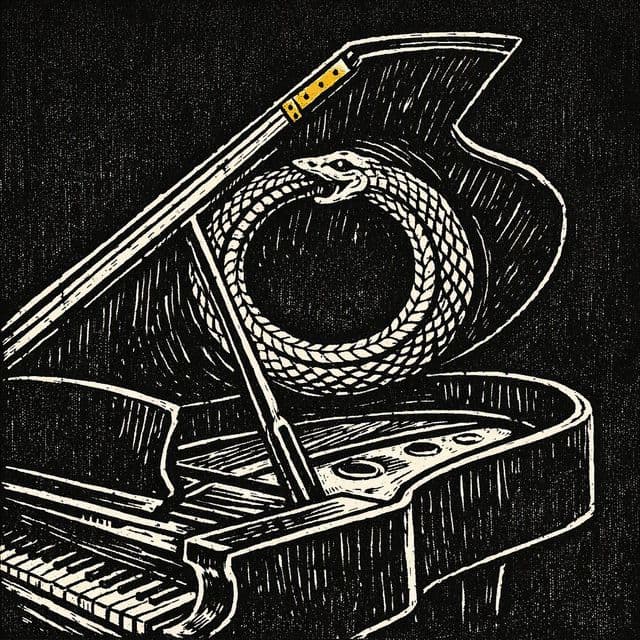
Clive Wearing, a brilliant British musicologist, contracted a viral infection that destroyed his ability to form new memories, leaving him trapped in a loop of awakening every few seconds. Yet, he could still play the piano and conduct with virtuosity, revealing a startling split between the memories we lose and the skills that survive in the body.
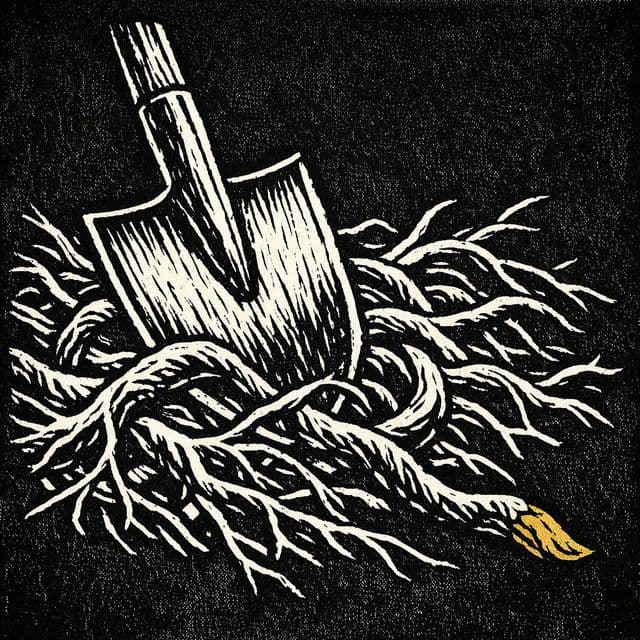
A team of searchers has spent over two hundred years and millions of dollars digging for treasure on a tiny island in Nova Scotia. This episode explores the story of the Oak Island Money Pit as a case study in the sunk cost fallacy—how past investments trap us into spending more even when the evidence suggests we should walk away.
When a patient loses decades of personal history, who is left behind? Exploring the landmark case of H.M. and the neuroscience of memory, this episode examines how our sense of self survives the deletion of our own life stories through the lens of preserved procedural and semantic systems.

A stroke left a patient able to describe every feature of a face — the nose, the eyes, the mouth — yet unable to assemble them into a person he recognized. His case forced scientists to realize the brain builds a whole face as a single unit, not a sum of parts. The story reveals how much of perception happens invisibly, before we're ever aware of it.
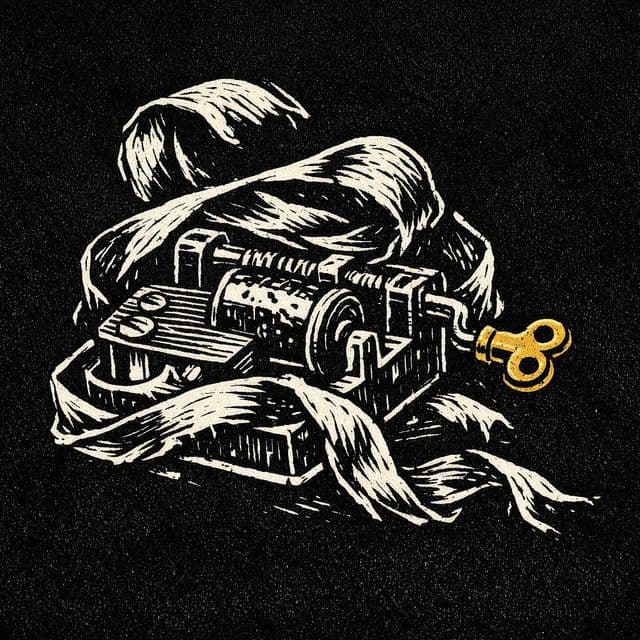
In the early nineteen seventies, researchers discovered a counterintuitive truth: rewarding people for things they already enjoy can actually make them stop doing them. This episode explores the overjustification effect, from Stanford nursery schools to the debate over paying kids to read, revealing why our deepest assumptions about motivation might be backward.
In nineteen thirty-nine, a University of Iowa experiment at a Davenport orphanage tested whether negative labeling could induce stuttering in children. Decades later, the 'Monster Study' remains a haunting case study in research ethics and the lasting power of psychological harm.
In 1966, psychiatrist Charles K. Hofling conducted a field experiment where an unknown caller posing as a doctor ordered nurses to administer a dangerous overdose of a fictitious drug. The results revealed how hospital hierarchies can override professional judgment and safety protocols.
In a nineteen twenties Berlin cafe, a simple observation about a waiter's memory sparked a psychological revolution. This episode explores the Zeigarnik effect—the idea that our brains cling to unfinished tasks—and how modern science has refined our understanding of why loose ends haunt us.
Why people do what they do — the research behind the instincts. The stream re-examines the famous studies (Milgram's obedience experiments, the bystander effect and the real Kitty Genovese story, Dunning-Kruger beyond the meme) and explores the forces working on you right now: variable rewards and the infinite scroll, cognitive dissonance, how memory rewrites itself every time you recall it. Old classics, new findings, and the replication crisis that sits between them.
Fylom episodes are researched, written, and voiced by AI. Automated checks help catch inaccuracies, but episodes aren't reviewed by a human and AI can still get things wrong. Treat them as a starting point, not a source of record — more in our accuracy disclaimer.