
History worth knowing
The past that still explains the present. Events, empires, and turning points you were never taught properly.
Open this topic in the app to listen.
In seventeen hundred and eight, a Russian envoy was dragged from his carriage by London bailiffs over an unpaid bill, prompting Peter the Great to demand their execution. This outline traces how a street brawl forced Parliament to pass the first statutory immunity law, shaping diplomatic protection through the Vienna Convention.

Before Britain observed a collective silence on Armistice Day, Cape Town stopped daily at noon to remember its war dead. This episode explores how a municipal South African ritual, a grieving father's imperial petition, and an Australian veteran's appeal created an enduring international custom of remembrance.

In January nineteen seventy-four, amid an international oil embargo, the United States put its clocks on permanent daylight saving time to conserve fuel. Within weeks, public enthusiasm cratered as millions of schoolchildren traveled in pitch darkness, prompting Congress to repeal the experiment before the year ended. The nineteen seventy-four reversal remains the defining real-world test for modern debates over permanent daylight time.
China's giant ships reached East Africa decades before European oceanic exploration. Then the empire dismantled its own maritime power.
In 17th-century Rome, a poison that looked like an ordinary cosmetic let wives play the devoted spouse while their husbands slowly sickened, and the deaths looked like natural illness.
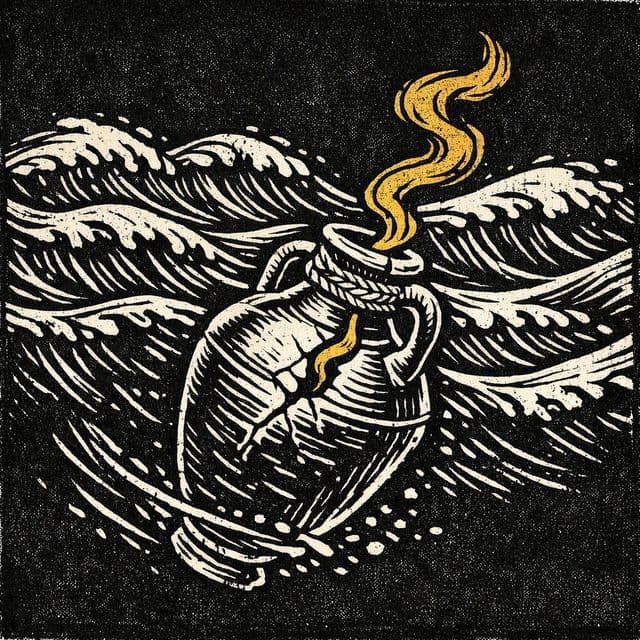
For centuries, Greek Fire let the Byzantine Empire incinerate enemy fleets on the water, and the formula was guarded so ruthlessly that no one alive today knows how it was made. This episode traces how a single military secret propped up an empire — and how obsessive secrecy erased the knowledge forever. It's a story about the strange fragility of technology that lives only in a few heads.
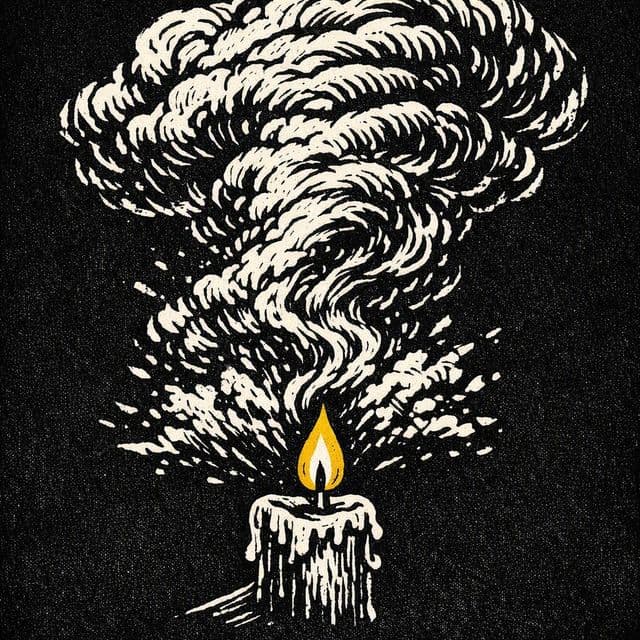
In 1816, an Indonesian volcano's ash dimmed the sun over Europe, killing crops and trapping a group of writers indoors by a Swiss lake. Out of that cold, dark summer came Frankenstein and the modern vampire myth. This is the story of how one eruption on the far side of the world rewrote both agriculture and horror fiction.
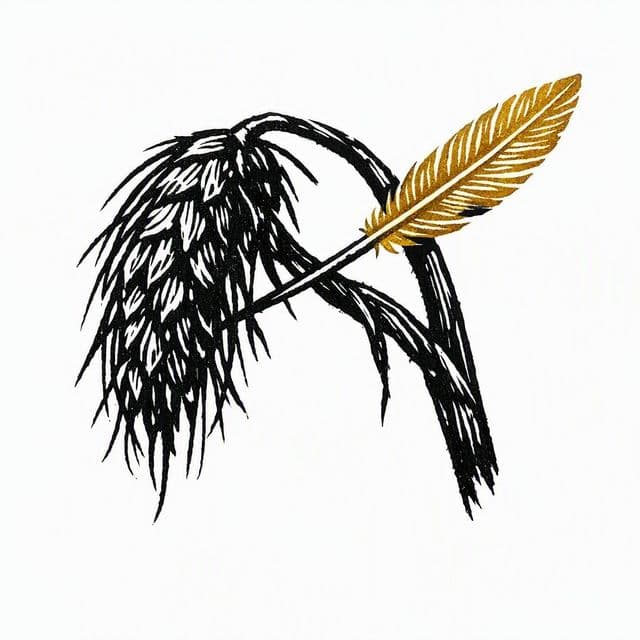
In 1932, the Australian military deployed machine guns against 20,000 emus destroying farmland in Western Australia — and effectively lost. Behind the absurdity lies a story of desperate WWI veterans, broken government promises, and how a nation learned the limits of force against nature.
The past that still explains the present. Episodes trace how a steel shipping box rewired the global economy, how two bureaucrats drew a map in 1916 that still fuels conflict, why standard rail gauge echoes Roman chariots, and how the Bronze Age's first global economy collapsed in a generation. No dates-and-dynasties recital — each episode picks a turning point and follows the consequences to your front door.
Fylom episodes are researched, written, and voiced by AI. Automated checks help catch inaccuracies, but episodes aren't reviewed by a human and AI can still get things wrong. Treat them as a starting point, not a source of record — more in our accuracy disclaimer.