
Money & markets
The economy, the markets, and the money in your pocket. What moved, why it matters, and how the system really works.
Open this topic in the app to listen.
Researchers tracking United States occupations across decades found that as more women entered a field, its pay fell, even when skill requirements remained constant. This episode examines the empirical evidence for the devaluation hypothesis, the dynamics of occupational segregation, and the legal battles over comparable worth and job evaluation systems.
In nineteen forty-seven, on his way to deliver the Budget, Britain's Chancellor Hugh Dalton gave a journalist a few words about tax changes, and they appeared in print before he had finished speaking. He resigned the next day. This episode explains why budget secrecy became sacred, what markets can do with even minutes of advance knowledge, and how the rituals of the red box grew up around that fear.
The inflation target that governs borrowing costs around the world was not derived from any economic law. It began as an improvised political comment in New Zealand. This episode traces how two percent spread across global central banking, and why policymakers refuse to abandon it.

In 1637 Amsterdam, most speculators drowned in the tulip mania crash, but a handful of merchants quietly wrote contracts they never intended to honor. This episode follows how the collapse actually unwound in the courts, revealing that the famous bubble was less a frenzy of ruin than a legal standoff over whether the debts were even enforceable. It matters because it reframes history's most cited bubble as a story about what a contract really is.
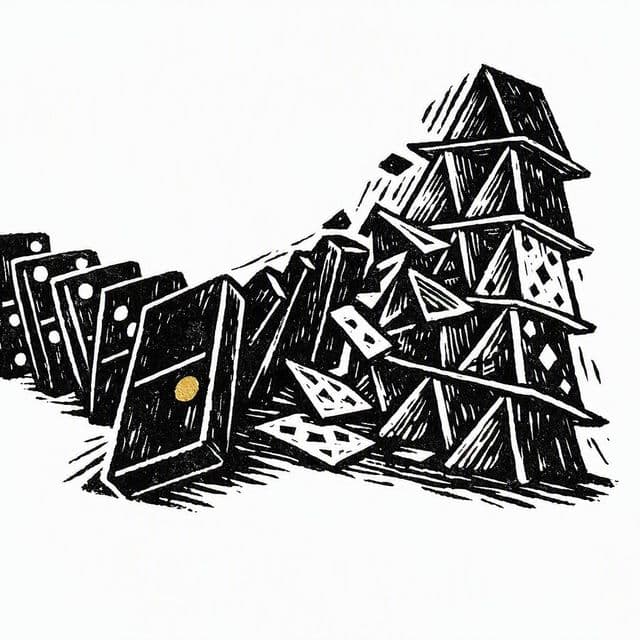
In 1995 a single trader named Nick Leeson ran up losses on a hidden account that quietly destroyed a 233-year-old bank that had once financed the Louisiana Purchase. This is the story of how one unwatched desk, a secret error account numbered 88888, and a bet on the Nikkei toppled an institution older than most nations. It's a lesson in how invisible risk hides inside places everyone assumes are safe.
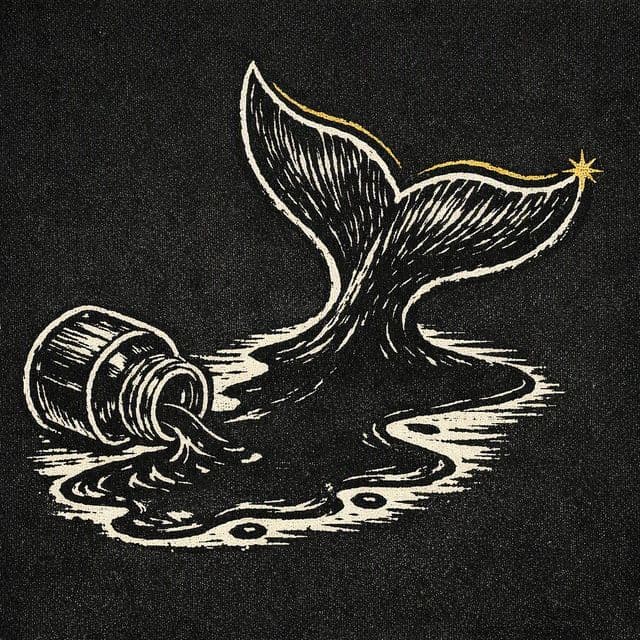
In 2012, a JPMorgan derivatives desk meant to hedge risk became the risk itself, resulting in a six-billion-dollar loss that redefined bank oversight.
In 1930, the Bank of United States collapsed partly because panicked depositors confused it with the actual U.S. government. This episode traces how a name, a rumor, and a queue outside one Bronx branch snowballed into one of the largest bank failures in American history.
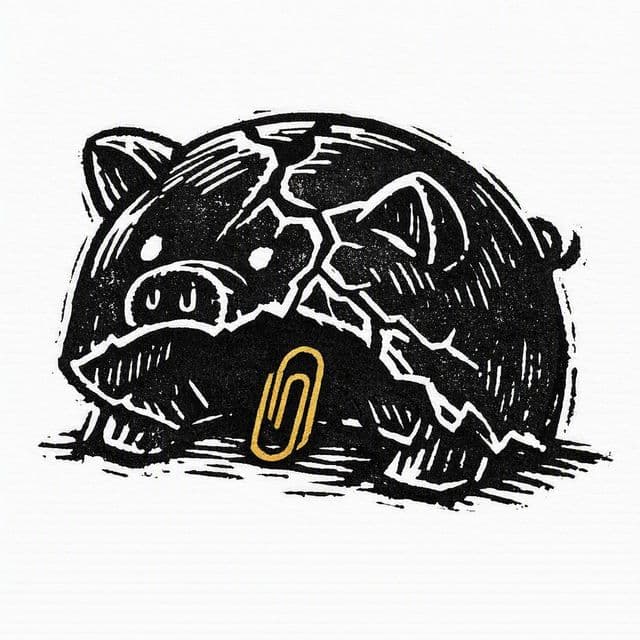
In 1970s America, a bookkeeper named Bruce Bent and his partner built the first money market fund to let ordinary savers earn bank-level returns. Decades later, that same invention 'broke the buck' in a 2008 panic that froze the plumbing of the global financial system. This is the story of a product designed for safety that became a hidden fault line.
How money really moves — the mechanics behind the headlines, one episode at a time. Listen to how central banks conjure money from nothing, how the 2008 crisis detonated through a single instrument, why pricing oil in dollars handed the US so much leverage, and what actually happens when a currency dies. The stream mixes evergreen mechanics with what markets are doing right now, so the economy stops being background noise and starts making sense on the commute.
Fylom episodes are researched, written, and voiced by AI. Automated checks help catch inaccuracies, but episodes aren't reviewed by a human and AI can still get things wrong. Treat them as a starting point, not a source of record — more in our accuracy disclaimer.