
Halloween
True stories behind the things that go bump in the night. Vampire panics, ghosts in court, and the history of being scared.
Open this topic in the app to listen.
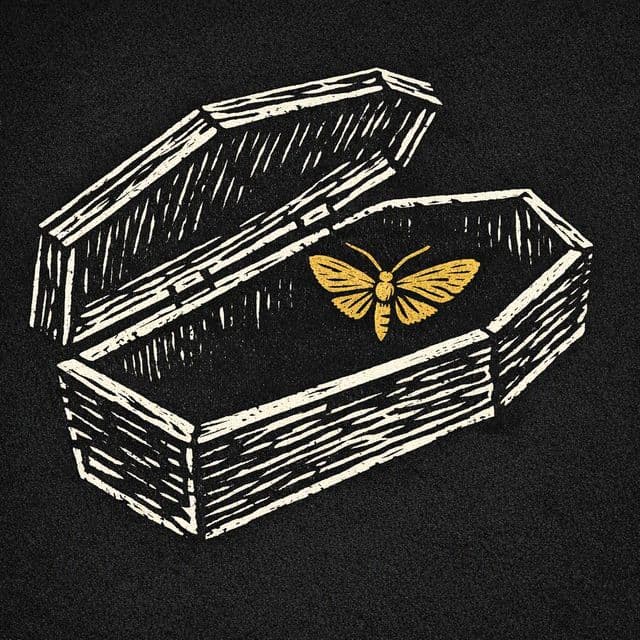
For more than a century in rural New England, a string of deaths from consumption convinced families that something was feeding on the living. They didn't wait for answers. They grabbed shovels and went digging.
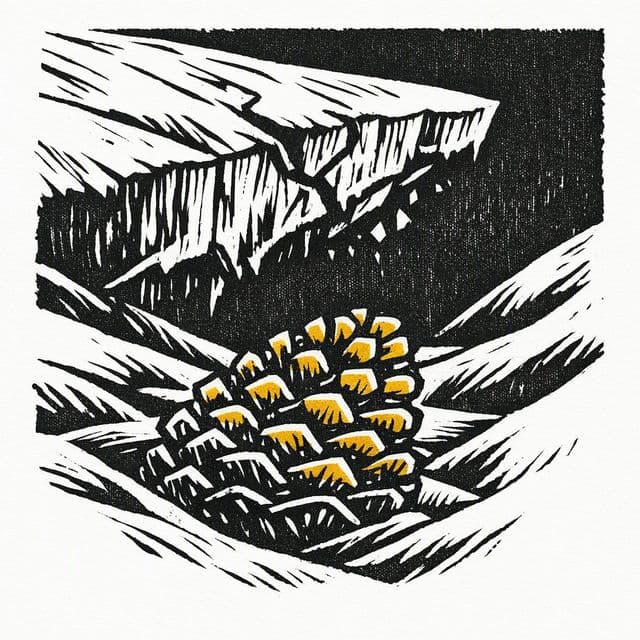
In 1959, nine experienced hikers cut open their tent from the inside on a Ural mountainside and walked out barefoot into minus thirty degrees. None of them came back down, and it took until 2021 for researchers to propose an explanation that fits the evidence.
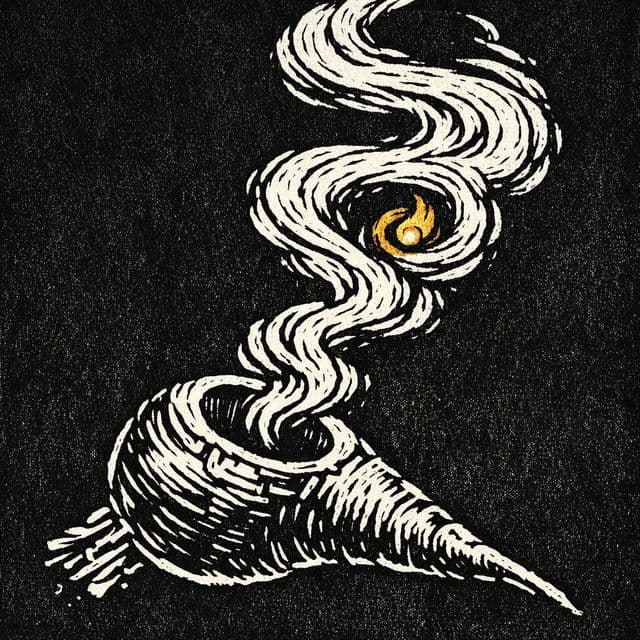
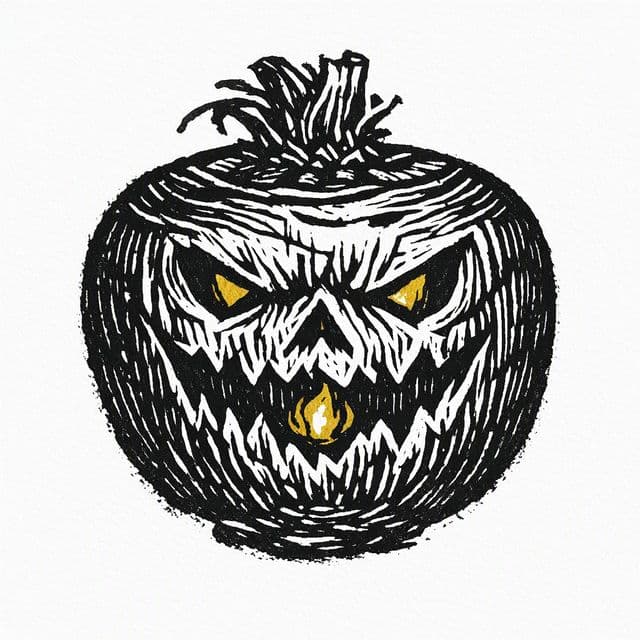
Halloween grew out of an old Gaelic festival that marked the end of the grazing season, and its lanterns were carved from something sturdier, and far less orange, than a pumpkin.
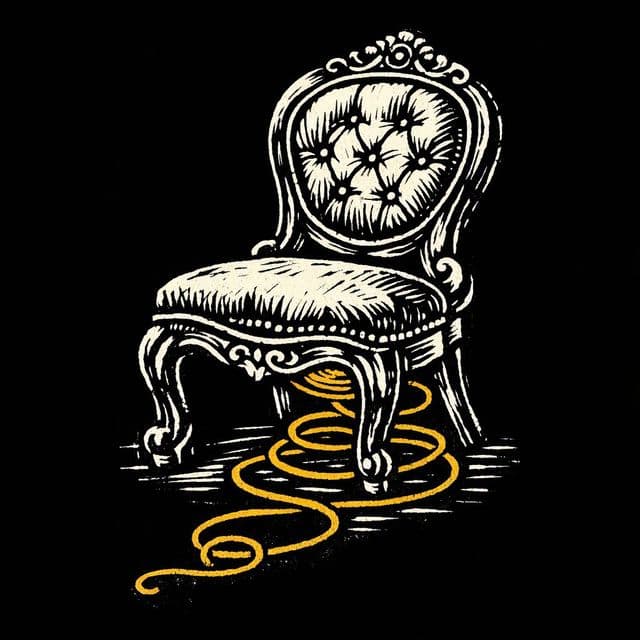
A West Virginia mother swore a ghost whispered the details of her daughter's murder, and the prosecutor decided to hear her out.
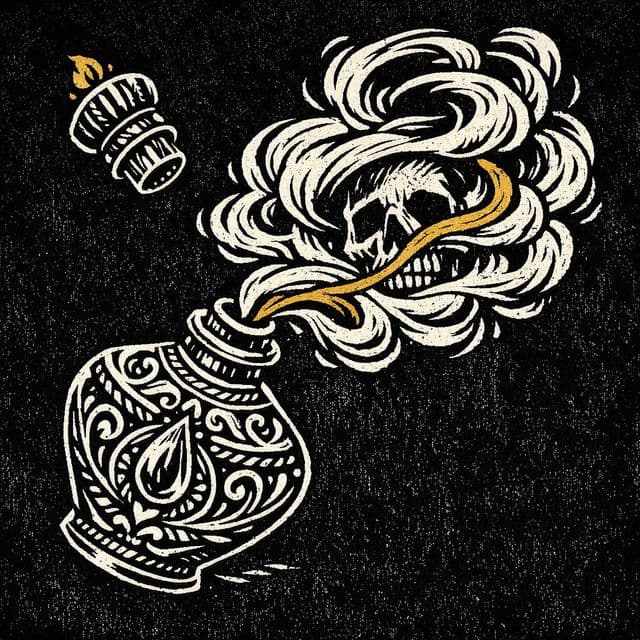
In 17th-century Rome, a poison that looked like an ordinary cosmetic let wives play the devoted spouse while their husbands slowly sickened, and the deaths looked like natural illness.
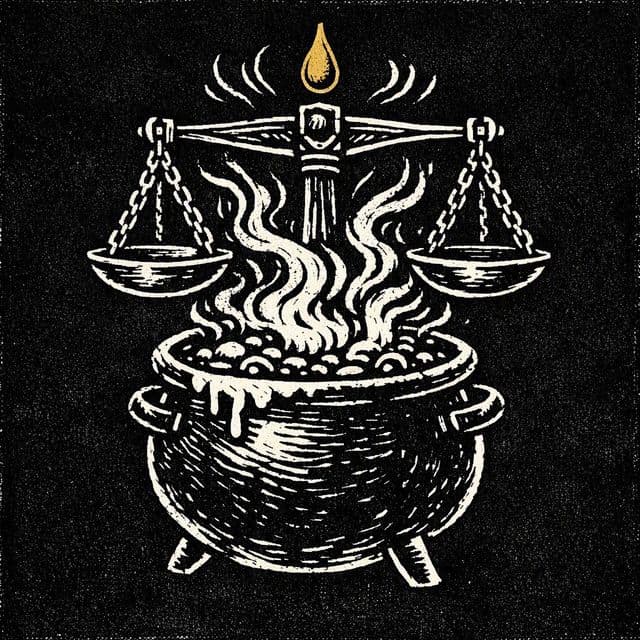
Medieval courts handed justice to boiling water and divine intervention, then waited to see how the burns healed.
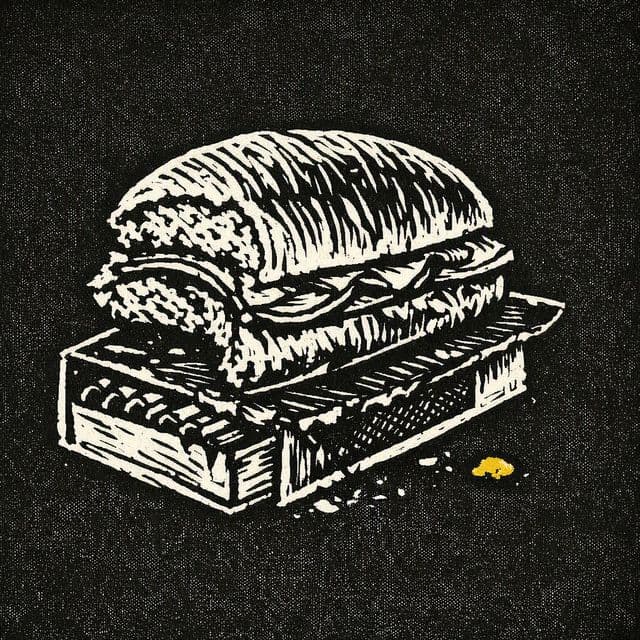
A Tyneside widow collected husbands the way others collect recipes, each ending more conveniently than the last.
Elizabeth Canning disappeared for a month and returned with a story that split London in two, and nobody has managed to settle it since.
The true stories behind Halloween. Families who dug up their dead to stop a vampire, a ghost whose testimony convicted a murderer, a pope who put a corpse on trial, and the cold summer that gave us Frankenstein. Each episode starts with the folklore and follows it back to what actually happened. Curious about something spooky? Type it into Fylom and it becomes your next episode.
Fylom episodes are researched, written, and voiced by AI. Automated checks help catch inaccuracies, but episodes aren't reviewed by a human and AI can still get things wrong. Treat them as a starting point, not a source of record — more in our accuracy disclaimer.