
The Village That Couldn't Stop Dancing
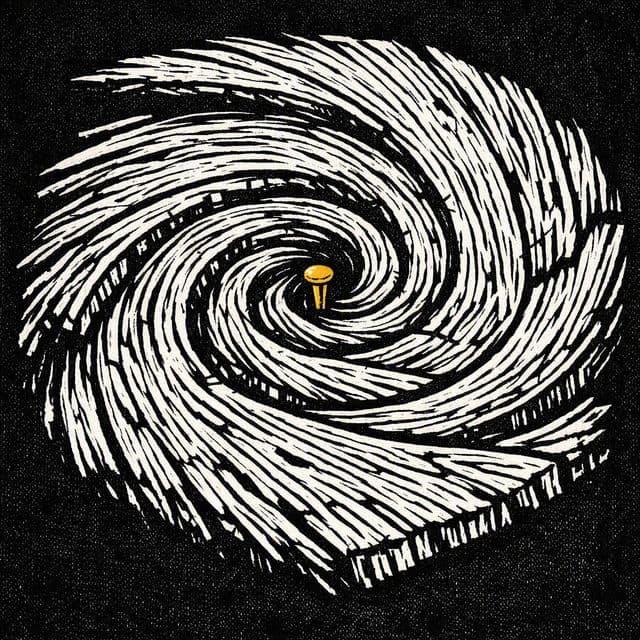
In 1518 Strasbourg, a woman began dancing in the street and within a month hundreds had joined her, some collapsing and dying from exhaustion. This episode unpacks the psychology of mass hysteria and how stress, belief, and social contagion can seize an entire community.
Listen in the Fylom app.
Frau Troffea began the involuntary dancing in July fifteen eighteen, which spread to four hundred people by August.
Strasbourg physicians originally diagnosed the dancing as a natural disease caused by overheated blood.
City authorities hired musicians and built stages to help participants dance until they reached exhaustion.
Modern medicine classifies the event as mass psychogenic illness triggered by famine and extreme social stress.
The ergotism theory is unlikely because the fungus typically causes gangrene rather than sustained physical endurance.
Historical records from fifteen eighteen do not confirm the rumored death toll of fifteen people per day.
- 01Intro1 min
- 02The First Step2 min
- 03The City's Response3 min
- 04The Mechanics of Contagion3 min
- 05Debunking and New Frontiers2 min
- 06Outro1 min
- Dancing plague of 1518 - Wikipedia
- Dancing plague of 1518 | Facts & Theories - Britannicawww.britannica.com › World History › Accidents & Disasters
- The Dancing Plague of 1518
- Divine Punishment or Disease? Medieval and Early Modern Approaches to the 1518 Strasbourg Dancing Plague | Dance Research
- What caused Strasbourg's dancing plague of 1518?
- In a spin: the mysterious dancing epidemic of 1518
- The 1518 dancing plague of Strasbourg began when Frau ...
- Keep on moving: the bizarre dance epidemic of summer 1518
- Factors related to the occurrence of mass psychogenic illness in ...
- The Dancing Plague Reconsidered
- Havana Syndrome: Social Contagion or Mass Psychogenic Illness?
- Mass psychogenic illness in organizations: An overview
- The Societal Impacts of Mass Psychogenic Illness: A Systematic ...
- Chapter 7: The Great Dancing Plague of 1518 | Crossing the Styx
Fylom generates episodes like this on any topic you're curious about.
Fylom episodes are researched, written, and voiced by AI. Automated checks help catch inaccuracies, but episodes aren't reviewed by a human and AI can still get things wrong. Treat them as a starting point, not a source of record — more in our accuracy disclaimer.