
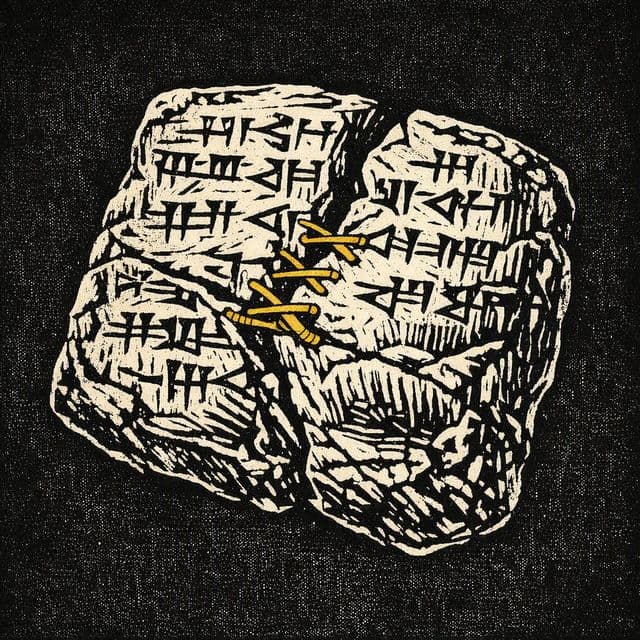
The Handshake: A Four-Thousand-Year Ritual of Trust
From ancient Mesopotamian alliances to modern boardrooms, the handshake has served as a powerful physical vow. This episode explores the history of the gesture, its role as a ritualized oath, and why it persists in an era of digital signatures and formal contracts.
Listen in the Fylom app.
A ninth century BCE stone relief depicts the earliest known handshake between two rulers.
Ancient Greek funerary art used the handshake to symbolize social bonds that lasted beyond death.
Quakers popularized the handshake as an egalitarian alternative to bowing or tipping hats to superiors.
Medieval merchants used the handshake as a binding legal contract that carried heavy religious weight.
Modern physical contact during a handshake primes the brain to view others as cooperative partners.
Historical evidence does not support the popular theory that handshakes originated to check for hidden weapons.
- 01Intro1 min
- 02The Stone Record of the Near East2 min
- 03Dexiosis and the Weapon-Hand Myth2 min
- 04From Market Stalls to Quaker Equality2 min
- 05The Psychology of the Modern Deal3 min
- 06Outro1 min
- Handshake
- These Were What Handshakes Meant In Ancient Civilizations
- A history of handshakes: from ancient kings to Trump and Xi
- The History of the Handshake - Cooney Classics
- Origin of Everything | Why Do We Shake Hands? | Season 3 | Episode 16
- When Was the First Handshake? - JSTOR Daily
- Handshake; the ritual gesture has existed since ancient ...
- Handshake (in business) — History of Work
- The History of the Handshake | From Weapon Check to Global ...
- Egalitarian greetings: the social spread of the handshake ...
- Can a Handshake Still Seal the Deal?
- What Happened to the Handshake?
- The Evolution of Contracting -
- Shaking Hands: An Ancient & Early American Custom
- [PDF] Handshaking Promotes Deal-Making by Signaling Cooperative Intent
Fylom generates episodes like this on any topic you're curious about.
Fylom episodes are researched, written, and voiced by AI. Automated checks help catch inaccuracies, but episodes aren't reviewed by a human and AI can still get things wrong. Treat them as a starting point, not a source of record — more in our accuracy disclaimer.