
The Cellist of Sarajevo: Twenty-Two Days of Adagio
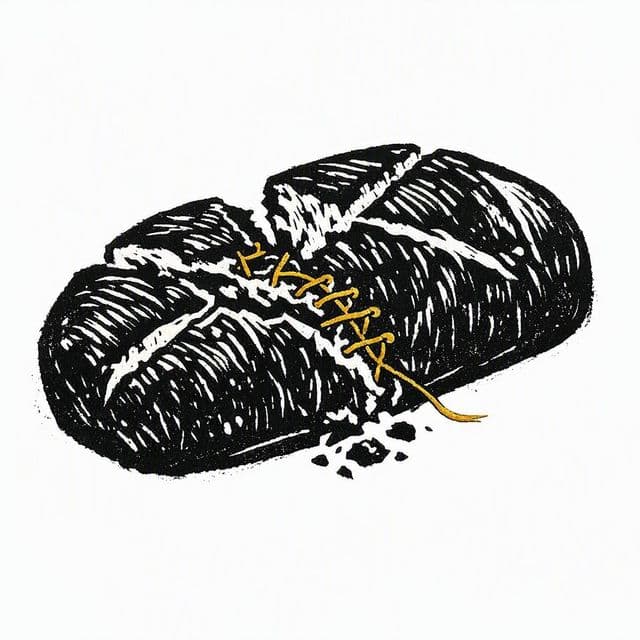
In May nineteen ninety-two, after a mortar shell killed civilians waiting for bread in Sarajevo, musician Vedran Smailović took his cello into the ruins. For twenty-two days, he played Albinoni’s Adagio in G minor as an act of defiance. This is the story of how music became a form of resistance and mourning during the longest siege in modern history.
Listen in the Fylom app.
Vedran Smailović performed in a tuxedo for twenty-two days to honor victims of a bread line massacre.
The cellist played Albinoni’s Adagio in G minor while serving as a stationary target for snipers.
Sarajevo’s underground rock and punk movements used music as a moral refusal of the victim role.
The four-year siege of Sarajevo forced civilians to treat daily survival tasks as high-stakes gambles.
Smailović later objected to fictionalized accounts of his life that were created without his consent.
Artistic structure provided psychological relief for citizens facing the chaotic logic of urban warfare.
- 01Intro1 min
- 02The Bread Line Massacre2 min
- 03The Man and the Adagio2 min
- 04Muzika Kao Otpor: Music as Resistance2 min
- 05The Burden of Symbolism2 min
- 06Outro1 min
- Vedran Smailović
- Vedran Smailović | Intern. Peace Museum
- ( pronounced VED-ran SMILE-o-vich) Vedran Smailović was p
- The wounds of Sarajevo thirty years after the Bosnian war
- The songs that sustained a city under siege - The New European
- Sabbath Devotional: The Cellist of Sarajevo
- Listening to survive: Classical music and conflict in the musico-literary novel - Katie Harling-Lee, 2020
- The Cellist of Sarajevo.
- Popular Music Under the Siege: Patriotic Songs in Sarajevo
- Culture of Resistance: “Sarajevo Will Endure, Everything ...
- Discourse Analysis of Patriotic Songs produced during the War
- Popular music under siege: Sarajevo 1992-1995
- Popular Music Under Siege: Patriotic Songs in Sarajevo
- The Sound of Resistance
Fylom generates episodes like this on any topic you're curious about.
Fylom episodes are researched, written, and voiced by AI. Automated checks help catch inaccuracies, but episodes aren't reviewed by a human and AI can still get things wrong. Treat them as a starting point, not a source of record — more in our accuracy disclaimer.