
War & conflict
Wars past and present. How they start, how they're fought, and what they leave behind.
Open this topic in the app to listen.
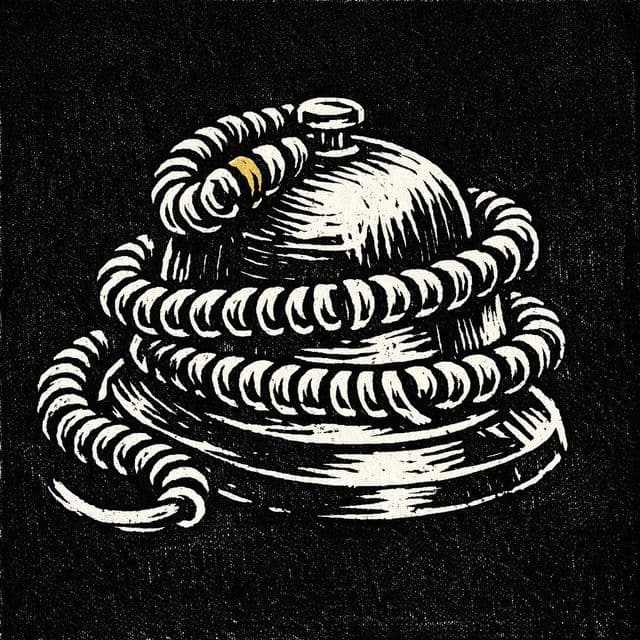
During the Cold War, the CIA spent years and millions of dollars surgically transforming a cat into a mobile listening device. This is the story of how advanced engineering and high-stakes espionage collided with the unpredictable reality of animal behavior, ending in a quiet, costly abandonment.
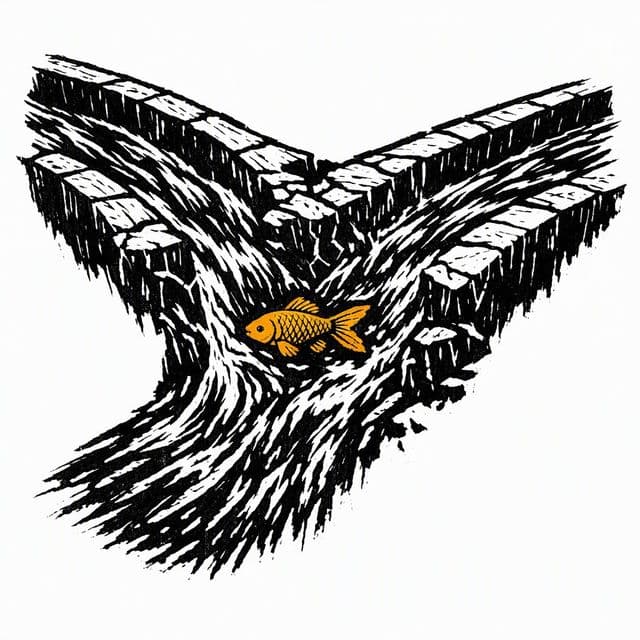
In 1947, Cyril Radcliffe, a British lawyer with no prior experience in India, was given just five weeks to draw the borders for the new nations of India and Pakistan. Working with outdated maps and under immense political pressure, his lines severed villages, irrigation systems, and families. This episode explores the frantic weeks of the Boundary Commission and the enduring human cost of a border drawn in haste.
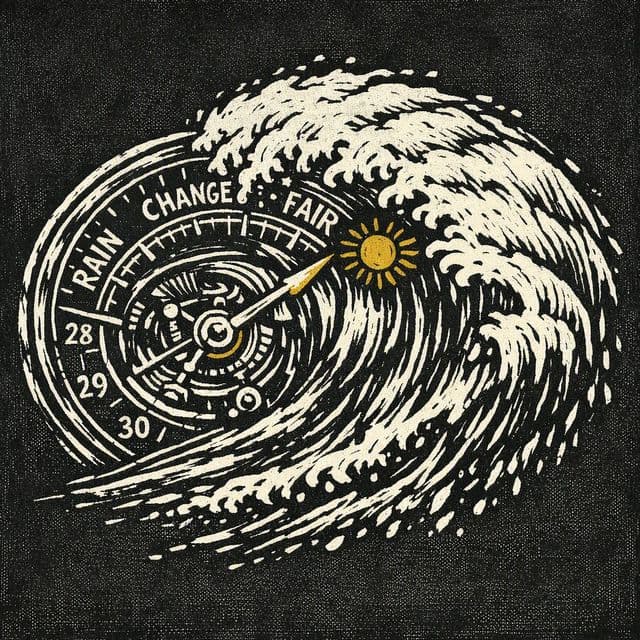
In June nineteen forty-four, Group Captain James Stagg identified a narrow break in a brutal Atlantic storm, convincing Eisenhower to launch the Normandy invasion during a marginal twenty-four-hour window. While German forecasters, blinded by a lack of Atlantic data, predicted continued storms, Stagg’s high-stakes gamble on a brief ridge of high pressure decided the timing of the largest amphibious assault in history.
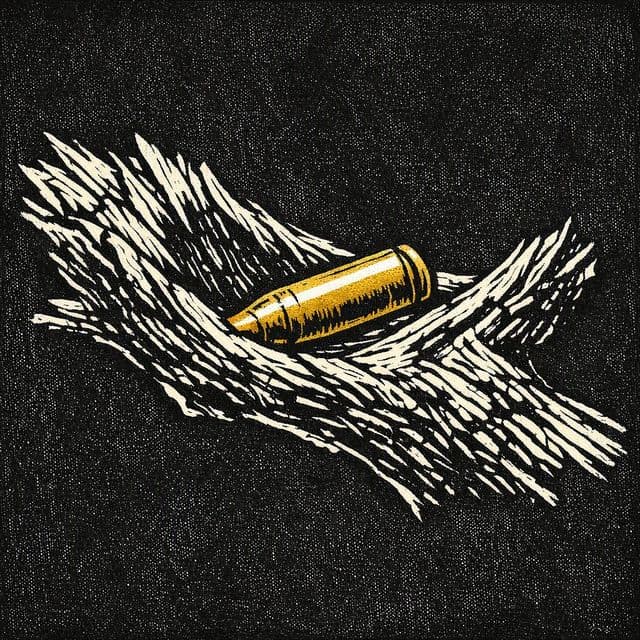
In October nineteen eighteen, a composite force of the seventy-seventh Division was surrounded in the Argonne Forest and subjected to accidental shelling by their own artillery. This is the story of Cher Ami, the U.S. Army Signal Corps pigeon who flew through gunfire with a message that stopped the barrage, and how a wounded bird became a decorated symbol of the Great War.
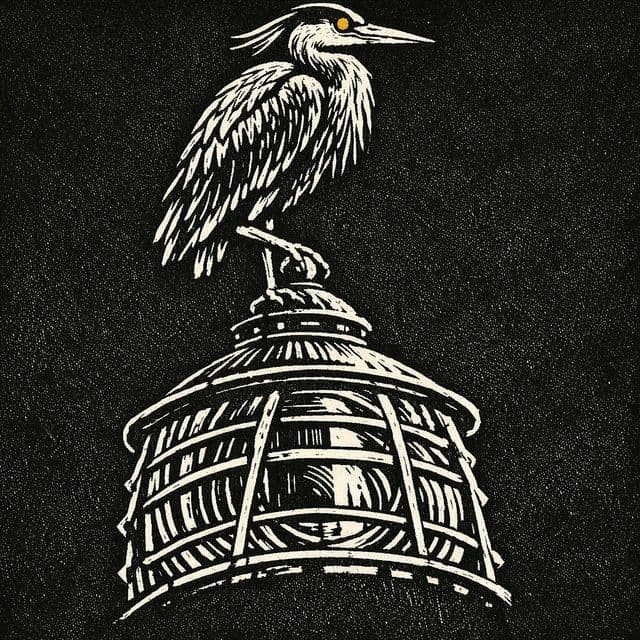
During the American Civil War, the struggle for Florida’s coast turned lighthouses into tactical weapons. On Egmont Key, a keeper caught between two fires saw his light extinguished not by nature, but by a calculated effort to blind the Union blockade.

In January two thousand six, Russian intelligence exposed a British covert transmitter hidden inside a fake rock on a Moscow street. This episode explores how British intelligence used a hollow plastic boulder to facilitate wireless data exchanges, the dramatic CCTV footage that led to its discovery, and the diplomatic fallout that followed when the UK eventually admitted the operation was real.
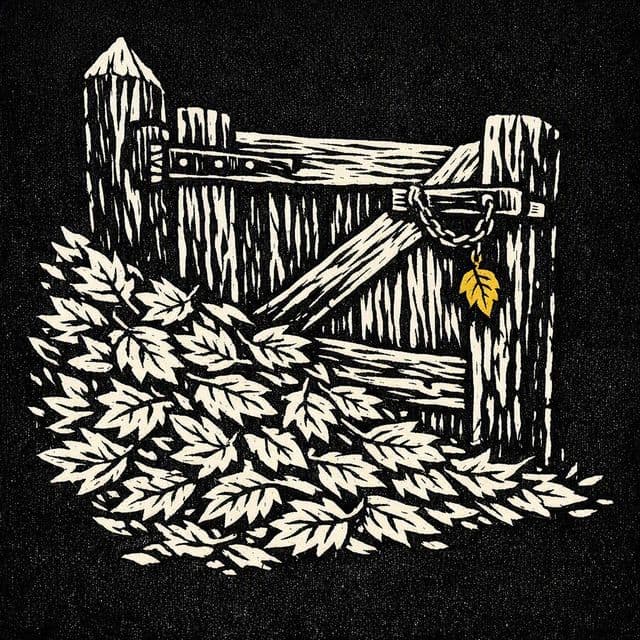
In Nazi-occupied Poland, two physicians, Eugeniusz Łazowski and Stanisław Matulewicz, weaponized German fear of contagion by faking a typhus outbreak. By injecting villagers with a dead bacteria that triggered false positives on blood tests, they created a protective quarantine that shielded roughly eight thousand people from deportation and forced labor.
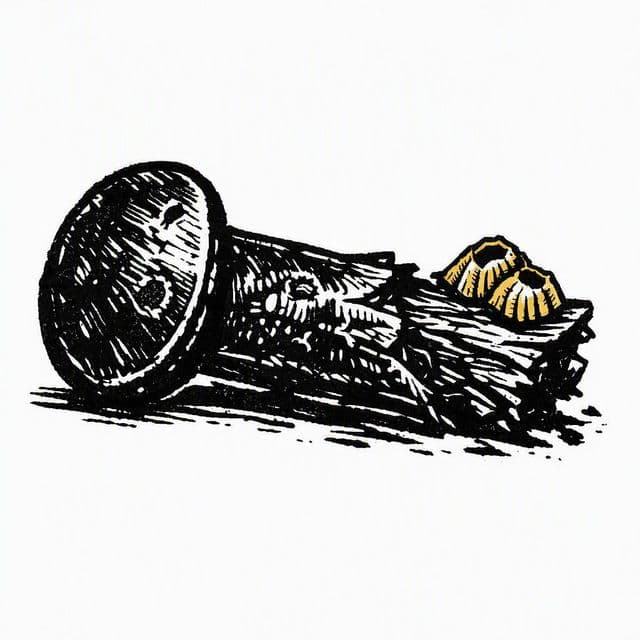
In April nineteen eighteen, the British Royal Navy steamed obsolete cruisers into the fortified harbor of Zeebrugge to block German U-boats. While the raid was hailed as a heroic triumph and earned multiple Victoria Crosses, the reality on the water was a chaotic, costly struggle that barely hindered the German war machine. This episode follows the men on the blockships to explore how a tactical failure became a legendary propaganda victory.
Wars past and present — how they start, how they're fought, and what they leave behind. The stream ranges from the Ghost Army's inflatable tanks and Operation Mincemeat's dead-man deception to the siege of Leningrad, the Winter War, and Vasili Arkhipov's quiet refusal that prevented nuclear catastrophe. Strategy, endurance, and the human decisions inside the machinery of conflict.
Fylom episodes are researched, written, and voiced by AI. Automated checks help catch inaccuracies, but episodes aren't reviewed by a human and AI can still get things wrong. Treat them as a starting point, not a source of record — more in our accuracy disclaimer.