
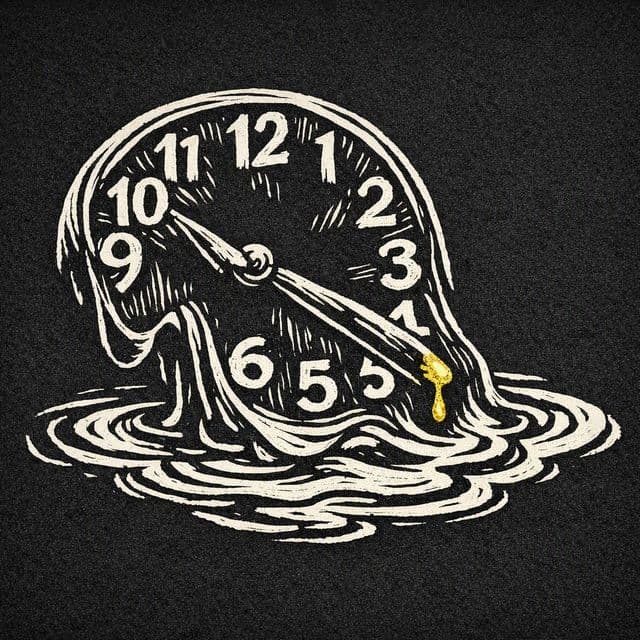
The Two-Second Clock: Digital Drift in the Ellerslie Homicide
In a high-stakes Auckland murder trial, the timeline of a double homicide rested on CCTV footage. This episode explores the forensic reality of timestamp drift, how a few seconds of internal clock error can reshape a case, and why digital evidence is rarely as objective as it appears.
Listen in the Fylom app.
Digital footprints from CCTV remained in the Ellerslie homicide despite cameras being painted over.
Quartz oscillators in digital devices drift due to heat and voltage fluctuations.
Video timestamps are system-generated claims that require external verification to become forensic evidence.
Forensic experts use Network Time Protocol logs and GPS to correct timestamp skew.
A two-minute digital time drift can validate or destroy a legal alibi in court.
New Zealand courts treat digital metadata as reliable evidence when hardware offsets are documented.
- 01Intro1 min
- 02The Ellerslie Timeline3 min
- 03The Ghost in the Machine: Clock Drift2 min
- 04The Forensic Correction3 min
- 05Weight vs. Admissibility2 min
- 06Outro1 min
- Guidelines for Using Digital CCTV Evidence in ...
- Ellerslie homicide: CCTV cameras painted over at would-be victim's home
- Date and Time Stamp Accuracy – Jonathan W. Hak KC PhD
- IN THE SUPREME COURT OF NEW ZEALAND
- New Zealand Legislation
- How DVR Timestamps Go Wrong (and Proof) - Elite Forensics
- Was the clock correct? Exploring timestamp interpretation ...
- [PDF] Timeline based event reconstruction for digital forensics ... - DFRWS
- Closed Circuit Television (CCTV) Digital Video Export Profile
- Chapter 7
- Sometimes it’s all about timing - Forensic Focus
Fylom generates episodes like this on any topic you're curious about.
Fylom episodes are researched, written, and voiced by AI. Automated checks help catch inaccuracies, but episodes aren't reviewed by a human and AI can still get things wrong. Treat them as a starting point, not a source of record — more in our accuracy disclaimer.