
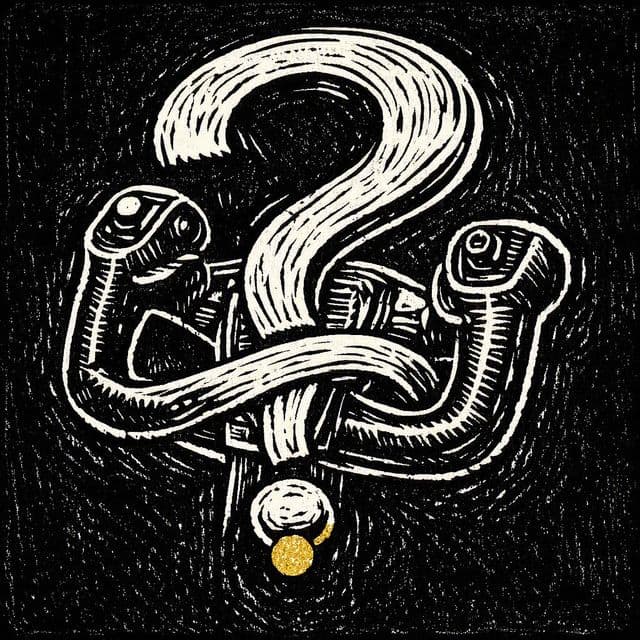
The Airline That Trained Pilots to Question Their Captains
In nineteen seventy-eight, a United Airlines jet ran out of fuel and crashed while the crew stayed silent about a fixation on a landing gear light. The disaster exposed how deference to authority in the cockpit was killing passengers and birthed a training revolution called Crew Resource Management. This is the story of how aviation psychology learned to weaponize disagreement.
Listen in the Fylom app.
A corroded cylinder on Flight one hundred seventy-three triggered a fatal fixation on a broken microswitch.
Steep authority gradients prevented the crew from forcefully challenging the captain about their mounting fuel crisis.
The nineteen seventy-eight Portland crash proved that social hierarchies are a primary risk to aviation safety.
NASA developed Crew Resource Management to transform soft communication skills into measurable safety disciplines.
United Airlines pioneered training that teaches junior officers to weaponize disagreement against their superiors.
Federal regulations now institutionalize dissent to ensure mechanical glitches do not lead to human-driven tragedies.
- 01Intro1 min
- 02The Hour of Fixation3 min
- 03The Silence of the Subordinates2 min
- 04The NASA Intervention2 min
- 05Weaponizing Disagreement2 min
- 06Outro1 min
- United Airlines Flight 173
- AIRCRAm ACCIDENT REPORT
- McDonnell Douglas DC-8-61
- DCA79AA005.aspx
- The Decisions That Brought Down United Flight 173
- The 1978 Burnside Airplane Crash
- The Evolution of Crew Resource Management Training in ...
- PowerPoint Presentation
- The Evolution of Crew Resource Management Training in ...
- Human Systems Integration Division @ NASA Ames
- From Tragedy to Safety: How accidents shaped crew ...
- What Happened to Crew Resource Management?
- DOT.'FAA/RD-92126
- The Evolution of CRM - Just Helicopters
- How Has Pilot Training Changed Over The Years?
Fylom generates episodes like this on any topic you're curious about.
Fylom episodes are researched, written, and voiced by AI. Automated checks help catch inaccuracies, but episodes aren't reviewed by a human and AI can still get things wrong. Treat them as a starting point, not a source of record — more in our accuracy disclaimer.