
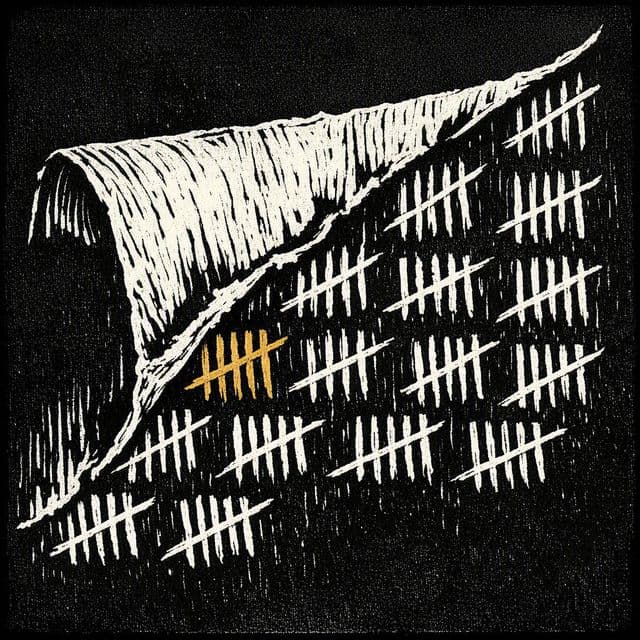
The Waiter Who Remembered Every Unpaid Bill
In a nineteen twenties Berlin cafe, a simple observation about a waiter's memory sparked a psychological revolution. This episode explores the Zeigarnik effect—the idea that our brains cling to unfinished tasks—and how modern science has refined our understanding of why loose ends haunt us.
Listen in the Fylom app.
The brain treats unfinished tasks like live wires that remain accessible until the work is completed.
Nineteen twenty-seven research found that interrupted tasks are remembered twice as well as finished ones.
Modern meta-analyses of fifty-nine publications show the memory advantage for unfinished tasks is not a universal law.
Psychological tension acts like a coiled spring that drives the behavioral urge to resume incomplete goals.
Streaming services use cliffhangers and open loops to exploit the human desire for cognitive closure.
Unfinished office projects create lingering mental loops that prevent psychological detachment during off-hours.
- 01Intro1 min
- 02The Legend of the Berlin Waiter2 min
- 03The Nineteen Twenty-Seven Experiment2 min
- 04The Modern Reality Check2 min
- 05From Memory to Motivation2 min
- 06The Cost of Open Loops1 min
- 07Outro1 min
- The Zeigarnik Effect Explained
- Bluma Zeigarnik
- On Finished and Unfinished Tasks [Über das Behalten von ...
- Zeigarnik effect
- Bluma Zeigarnik — Humboldt-Universität zu Berlin
- BLUMA ZEIGARNIK: A MEMOIR
- Faculty of Psychology of MSU
- Bluma Zeigarnik – Wikipédia, a enciclopédia livre
- Life and work of the psychologist Bluma Zeigarnik (1901-1988)
- The Zeigarnik effect helps explain why unfinished goals ...
- The Zeigarnik Effect Just Failed Its Meta-Analysis. Your ...
- University of Groningen Unfinished work tasks and work ...
- a meta-analysis of the Zeigarnik and Ovsiankina effects
Fylom generates episodes like this on any topic you're curious about.
Fylom episodes are researched, written, and voiced by AI. Automated checks help catch inaccuracies, but episodes aren't reviewed by a human and AI can still get things wrong. Treat them as a starting point, not a source of record — more in our accuracy disclaimer.