

Space & the universe
Rocket launches, new telescopes, old light. The universe and our attempts to understand it.
Open this topic in the app to listen.
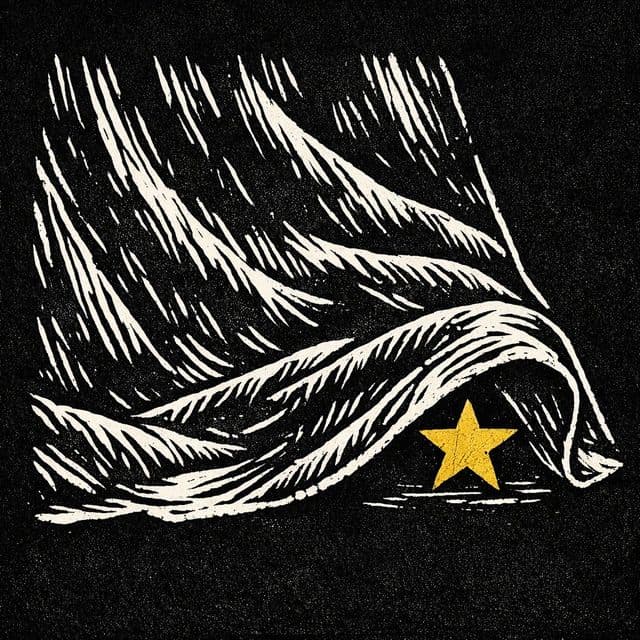
Astronomers watching a red supergiant in a neighboring galaxy saw it brighten faintly and then disappear from optical view entirely. The leading explanation is that its core collapsed directly into a black hole, aborting the supernova. This is the story of N6946-BH1 and the quietest way a massive star can die.
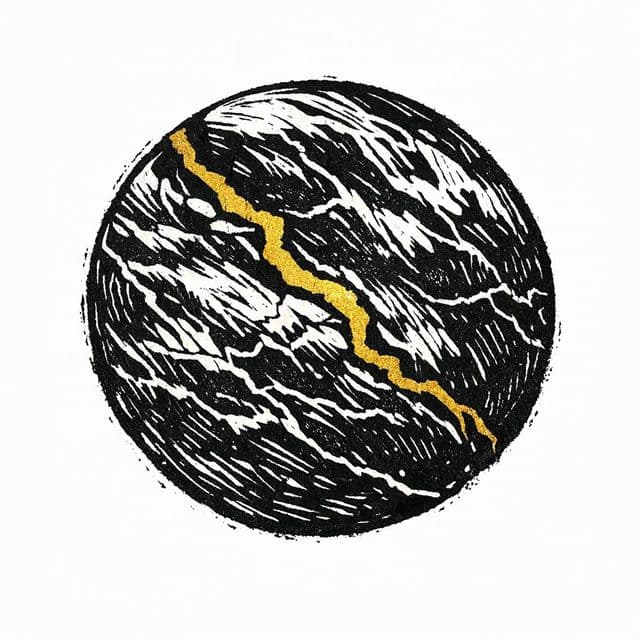
In July nineteen ninety-four, comet Shoemaker-Levy nine broke into a string of fragments and plunged into Jupiter, leaving Earth-sized scars visible for months. For the first time, humanity watched a cosmic collision unfold on schedule, transforming how science views the vulnerability of our own planet.
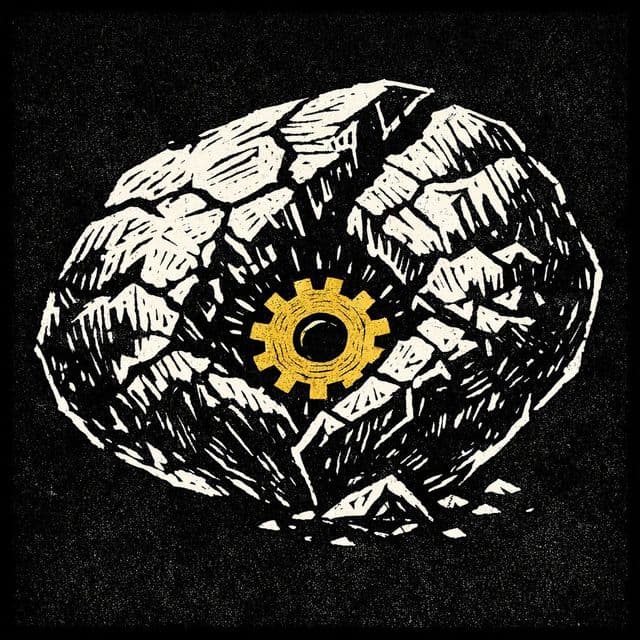
In nineteen eighty-two a Soviet lander touched down on Venus, survived one hundred twenty-seven minutes in four hundred fifty-seven degree heat and crushing pressure, and beamed back the first color photographs from the surface before falling silent. This is the story of the engineering behind a machine built to absorb its own demise, and what its instruments revealed about our hostile neighbor.
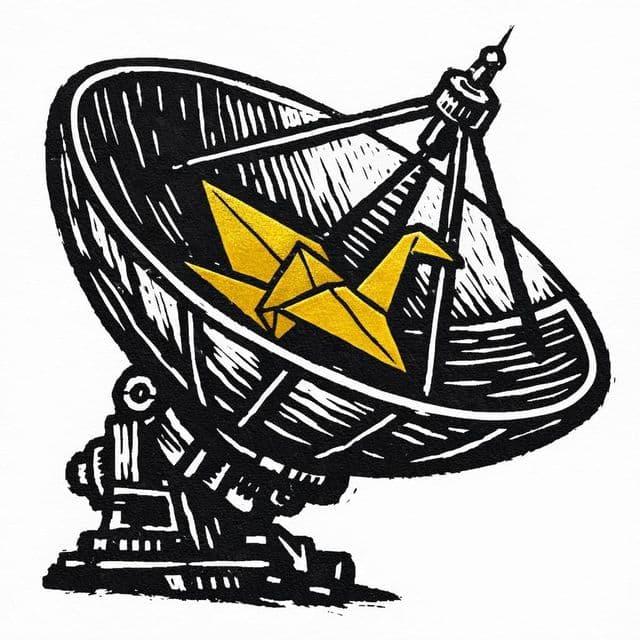
American satellites built to detect clandestine nuclear tests registered intense bursts of gamma rays arriving from deep space. Kept secret for years before scientific publication in nineteen seventy-three, these signals sparked a decades-long cosmic detective story that ultimately revealed dying massive stars and colliding stellar remnants billions of light-years away.
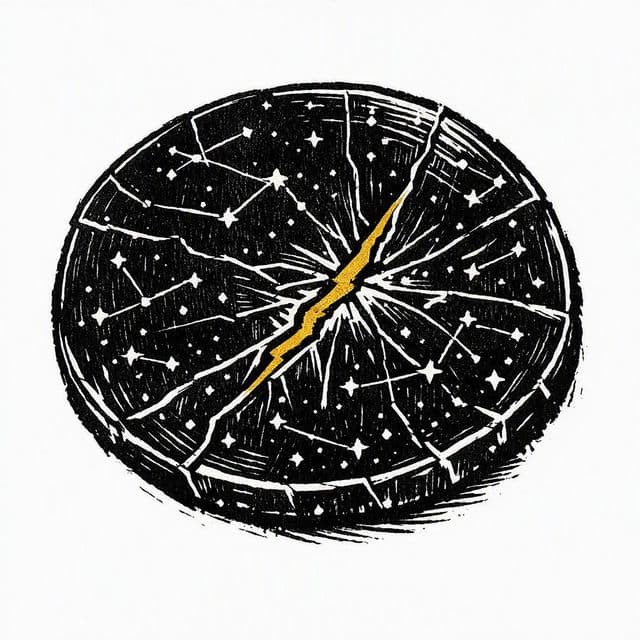
In the early 1900s, Henrietta Leavitt cataloged thousands of pulsing stars on glass photographic plates for 30 cents an hour, and found a pattern that let astronomers finally measure the distance to other galaxies. Her overlooked law became the yardstick Hubble used to prove the universe was expanding. This is the story of the discovery that gave the cosmos its scale.
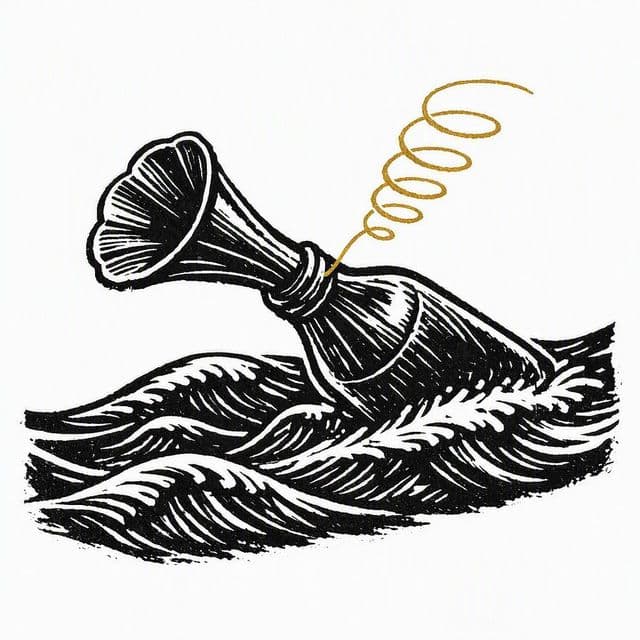
In 1977, a team led by Carl Sagan had six weeks to decide what all of humanity should say to the stars, etched onto a gold-plated disc bolted to Voyager. This is the story of the impossible choices behind those sounds and images, and why one greeting was left off at the last minute. It's a meditation on how you introduce a species to strangers you'll never meet.
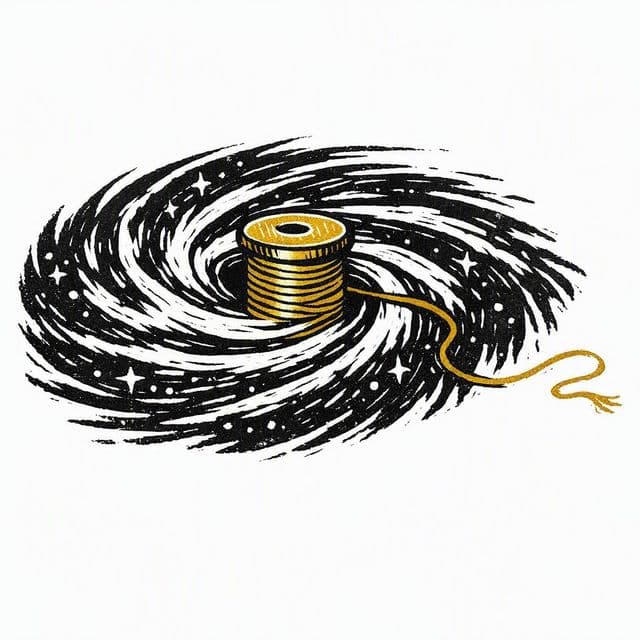
In the 1930s, astronomer Fritz Zwicky measured galaxies moving too fast to hold together and concluded most of the universe was invisible. His idea was ignored for forty years until Vera Rubin's spinning galaxies forced everyone to take dark matter seriously. This is the story of a correct idea that arrived decades too early.
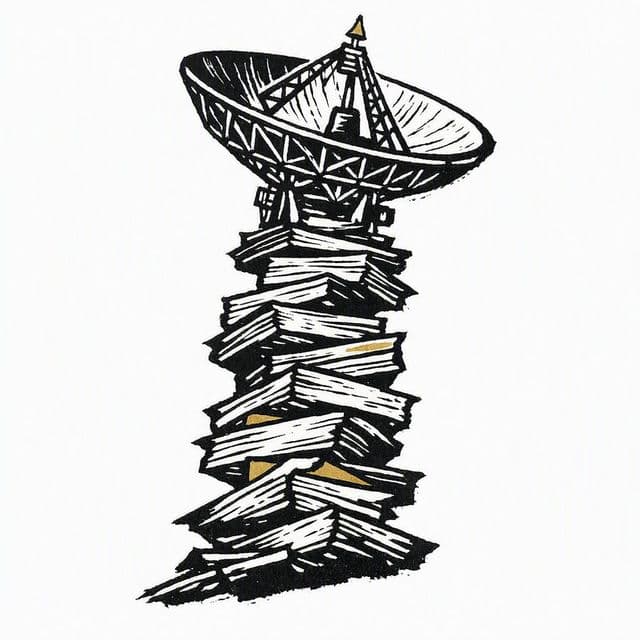
In 1977 an Ohio radio telescope caught a 72-second burst so strong that astronomer Jerry Ehman circled it on a printout and scrawled 'Wow!' in the margin. This is the story of that single sheet of paper, the decades of failed attempts to hear it again, and why one unrepeatable signal still haunts the search for life.
The universe and our attempts to understand it. The stream follows the new Moon race and the fight over low-Earth orbit, how reusable rockets collapsed the cost of reaching space, and the deep questions underneath: the Fermi paradox, dark matter and the 95% of the cosmos we can't see, neutron stars at the edge of collapse. Launches and telescopes as they happen, old light explained whenever you're ready.
Fylom episodes are researched, written, and voiced by AI. Automated checks help catch inaccuracies, but episodes aren't reviewed by a human and AI can still get things wrong. Treat them as a starting point, not a source of record — more in our accuracy disclaimer.