

Great lives
Remarkable people, one at a time. What they did, how they did it, and what it cost.
Open this topic in the app to listen.

Alexis Carrel took private lessons from an embroiderer in Lyon to master stitches fine enough to join blood vessels, and the technique won him the nineteen twelve Nobel Prize. His methods made transplants and vascular surgery possible, but his later embrace of eugenics and the Vichy regime stained his legacy.

In the early eighteenth century, the Kangxi Emperor marshaled Jesuit mathematicians, Manchu and Han banner officials, and Tibetan lamas to conduct a nationwide topographical survey. Drawing on geodetic measurements, barometers, and astronomical baselines, they produced the Kangxi Atlas: an imperial masterwork that was quickly kept secret in Beijing while reshaping European cartography.

Captured at age twenty-six and sold into American slavery, Abdul-Rahman Ibrahima Sori was a West African prince and literate Muslim scholar who spent forty years in Mississippi captivity. An Arabic manuscript transcribed from memory sparked an international diplomatic campaign that reached the White House and the Sultan of Morocco, ultimately securing his manumission.
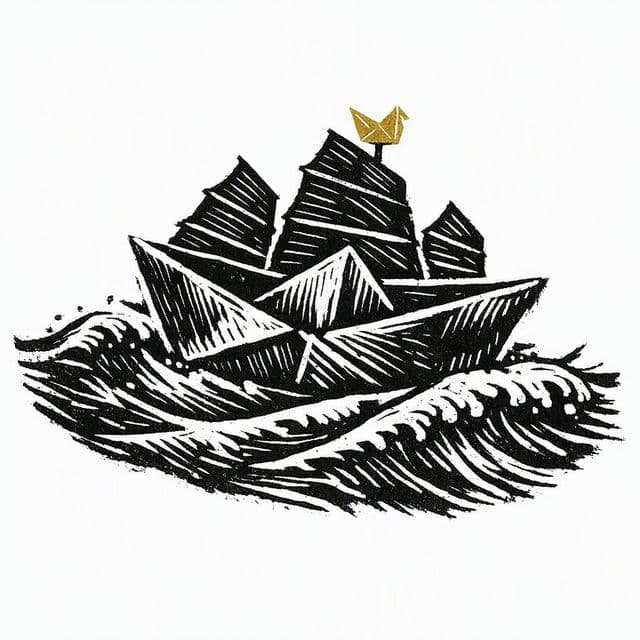
Zheng He, a Muslim eunuch captured and castrated as a boy, rose to command the largest wooden fleet the world had ever seen, sailing treasure ships across the Indian Ocean decades before Europe's great voyages. This is the story of how a prisoner of war became the emperor's admiral — and how his life's work was erased when China turned inward. What it cost was not just his legacy but an entire era of exploration.
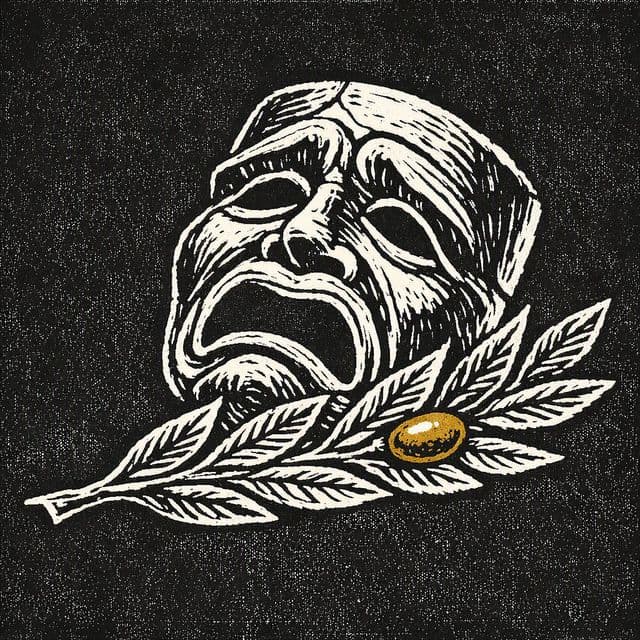
Terence arrived in Rome as an enslaved African boy and died before thirty, yet his six comedies were copied for a thousand years and taught to medieval schoolchildren as models of pure Latin. This is the story of how a captive won his freedom with his wit, and why rivals accused him of being too good to have written his own plays. It's a life about the strange durability of a voice that almost no one expected to survive.
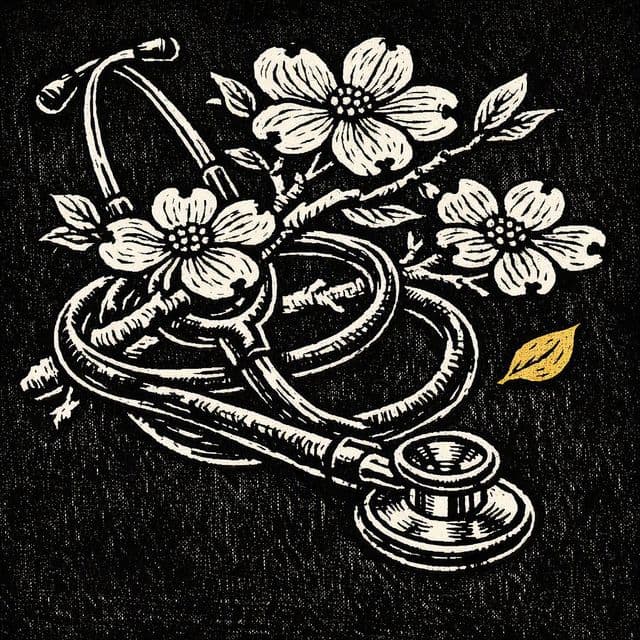
A deep dive into the life of Vivien Thomas, the Black lab technician who developed the surgical techniques to fix 'blue baby' syndrome and guided the first operation from a stool, despite being denied a medical degree.
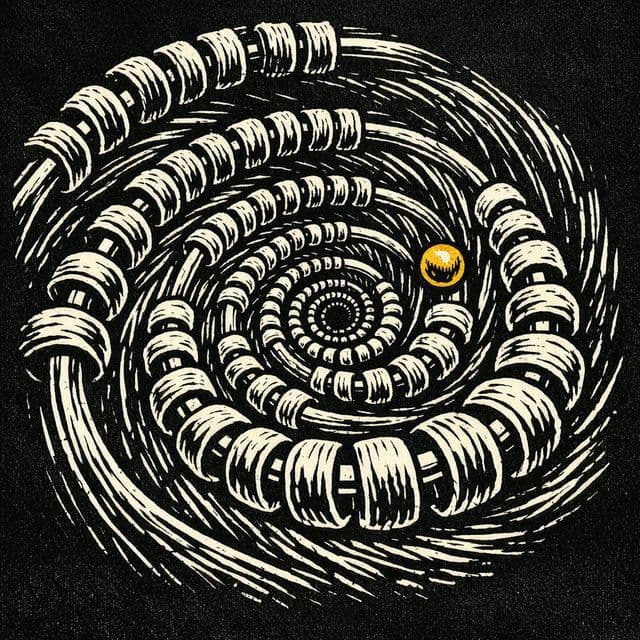
In 18th-century France, Marie-Jeanne Lalande calculated the tables that guided ships across oceans, doing by hand the arithmetic that would one day take computers. She logged thousands of stars while raising a family in her husband's shadow, credited only in footnotes. This is the story of the labor behind the numbers and the woman history nearly erased.
Marie Tharp spent years turning columns of sonar depth readings into the first detailed map of the Atlantic seabed, revealing a rift valley that proved continental drift. Barred from the ships collecting the data because she was a woman, she made her greatest discovery from a desk — and had to fight to be believed.
Remarkable people, one at a time. Vera Rubin, who proved dark matter and was passed over for the Nobel. Alan Turing, who cracked Enigma and was destroyed by his own country. Fritz Haber, who fed the world and armed the trenches. Each episode is one life — what they did, how they did it, and what it cost — with a bias toward the names history underpaid.
Fylom episodes are researched, written, and voiced by AI. Automated checks help catch inaccuracies, but episodes aren't reviewed by a human and AI can still get things wrong. Treat them as a starting point, not a source of record — more in our accuracy disclaimer.