
Politics & power
Who holds power, how they use it, and what just shifted. From elections to geopolitics.
Open this topic in the app to listen.
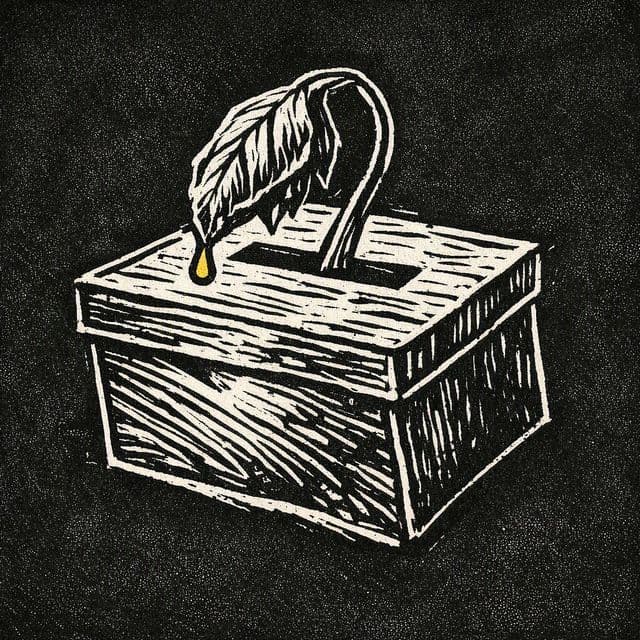
In 2000, Missouri voters elected Mel Carnahan to the U.S. Senate three weeks after he died in a plane crash, defeating a sitting incumbent. This episode unpacks how a ballot with a deceased candidate reshaped a state, sent his widow to Washington, and tested the limits of democratic ritual.
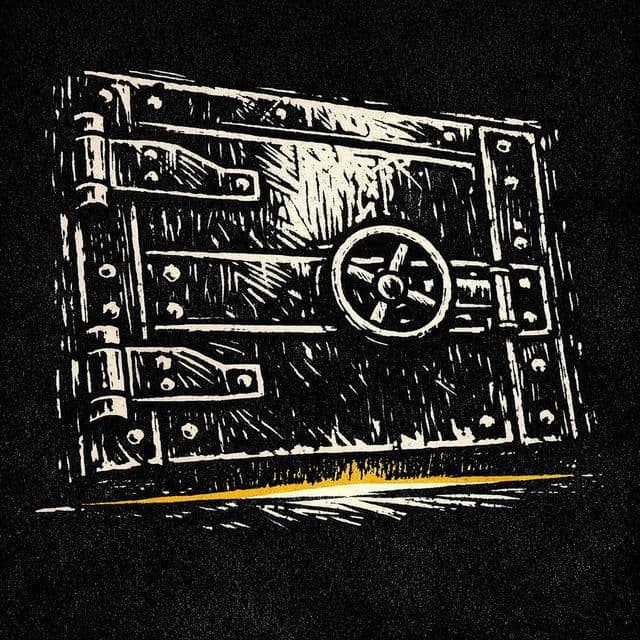
In 1983, a Soviet officer named Stanislav Petrov saw his early-warning system report five incoming American missiles — and decided, against protocol, that it was a false alarm. This is the story of a single judgment call inside a bunker that may have stopped World War III, and how the man who made it was quietly reprimanded rather than rewarded.
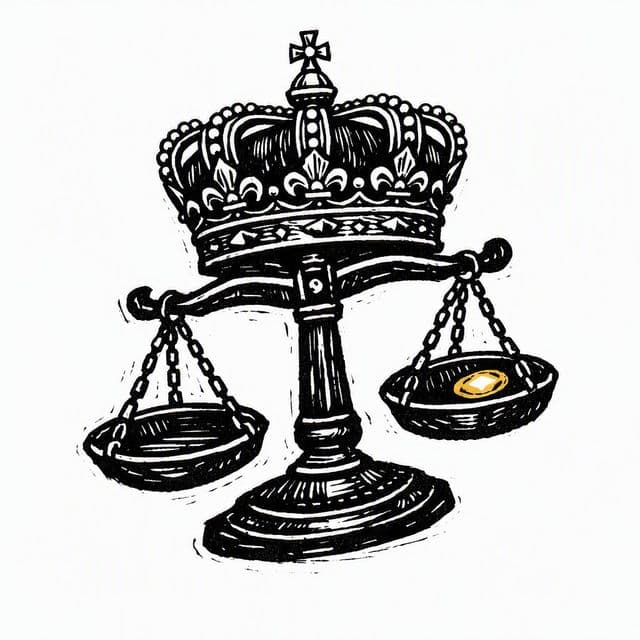
In 1765, a defeated Mughal emperor signed a document handing tax rights over 20 million people to a private British corporation. This single treaty transformed the East India Company from a merchant venture into a de facto government, revealing how corporate power can quietly eclipse the state.
A small Baltic nation rebuilt government around the internet — citizens vote, sign documents, file taxes, and access records online. Explore how Estonia did it, what it got right, and what other countries can learn.
Modern power increasingly flows through control of narrow shipping lanes, semiconductor supply chains, and financial plumbing like SWIFT. Explore how a handful of chokepoints became the new levers of great-power competition.
When politicians can't resolve divisive issues, some countries have turned to randomly selected citizens who deliberate and recommend policy. Explore how Ireland's assemblies moved the needle on hard questions, and whether it's a fix for broken democracy.
Sanctions are a favorite tool of statecraft, but their track record is mixed. Explore the mechanics of financial and trade pressure, when they change behavior, and why targeted regimes so often endure them.
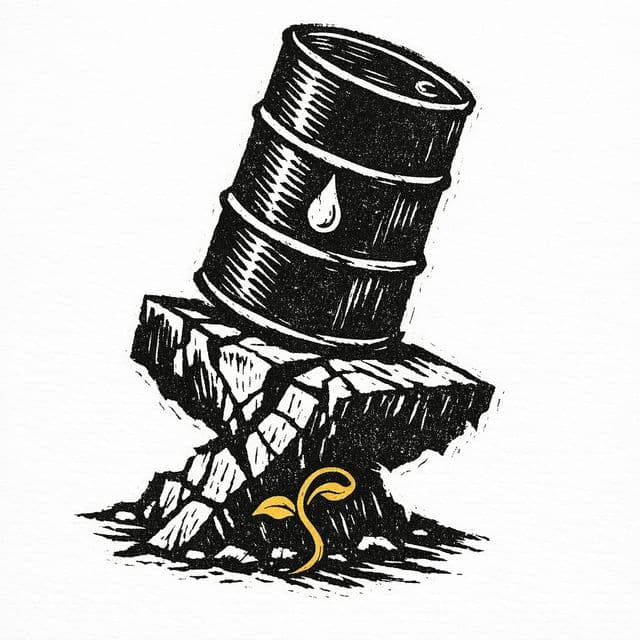
Nations blessed with oil, gas, or diamonds frequently suffer slower growth, more corruption, and less freedom than resource-poor peers. Explore the political economy behind this paradox and the countries that escaped it.
Who holds power and how they use it. Episodes unpack chokepoint geopolitics — straits, chips, and payment networks — why sanctions so often fail, the resource curse that leaves oil-rich countries poorer, gerrymandering, soft power, and Estonia's experiment in fully digital government. From elections to statecraft, the stream explains the machinery behind the news rather than replaying it.
Fylom episodes are researched, written, and voiced by AI. Automated checks help catch inaccuracies, but episodes aren't reviewed by a human and AI can still get things wrong. Treat them as a starting point, not a source of record — more in our accuracy disclaimer.