

Sports
The games, the people, and everything around them. Rivalries, science, money, and the moments that matter.
Open this topic in the app to listen.

What actually drives the well-documented edge home teams enjoy, and why careful studies point more toward referee bias under crowd pressure than toward the players themselves.

The neuroscience and psychology behind the sudden, career-threatening loss of a fundamental skill — the golfer who can't putt, the infielder who can't throw — and what it reveals about how expertise works.

An exploration of the high altitude, physiology, economics, and running culture that turned one region into the source of a disproportionate share of the world's elite distance runners.
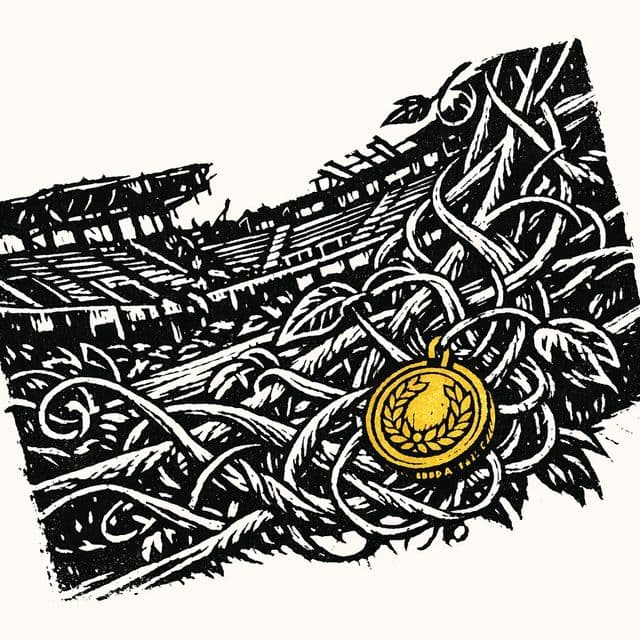
The economics behind the world's most prestigious financial sinkhole — cost overruns, white-elephant stadiums, and why cities keep bidding anyway despite the losses.

How gamblers conspired with players to throw the World Series, the trial and lifetime bans that followed, and how the sport clawed back its credibility.

The systematic, state-run program that secretly doped thousands of East German athletes to manufacture Olympic champions during the Cold War, and the lasting damage done to their bodies and lives.

How one baseball player's refusal to be traded led to a Supreme Court fight that broke the reserve clause binding players to their teams, reshaping the economics of professional sports at the cost of his own career.
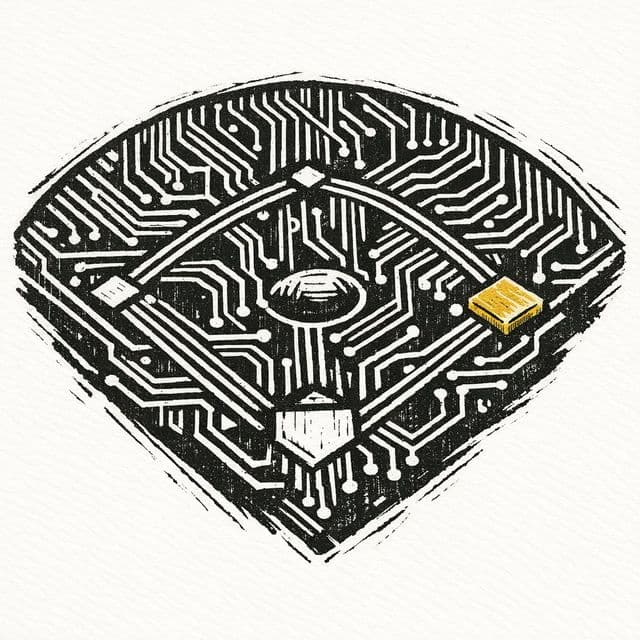
How a cash-strapped team's embrace of statistics upended baseball scouting and strategy, the backlash from traditionalists, and the data arms race it set off across every major sport.
The games, and everything around them. Episodes decode home advantage, the yips, and Kenya's Rift Valley running dynasty; revisit the Black Sox scandal, the East German doping machine, and Curt Flood's refusal that created free agency; and follow the money — why host cities lose on the Olympics, how Moneyball rewired scouting. Rivalries, science, economics, and the moments that matter.
Fylom episodes are researched, written, and voiced by AI. Automated checks help catch inaccuracies, but episodes aren't reviewed by a human and AI can still get things wrong. Treat them as a starting point, not a source of record — more in our accuracy disclaimer.