

What comes next
The future, argued seriously. Where today's signals lead, without the hype.
Open this topic in the app to listen.
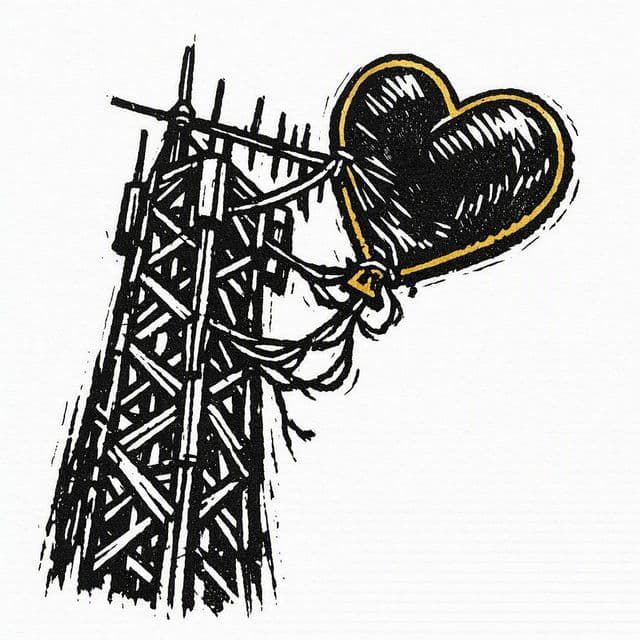
Helium is the only element that escapes Earth's gravity entirely once released, and the world's largest strategic reserve was recently sold to a private corporation. This episode follows the strange economics of a finite gas that cools MRI machines and quantum computers, yet is priced as if it lasts forever, and asks what breaks when it finally runs low.

Nearly every magnet in a wind turbine or electric motor depends on rare earth elements refined in one place on Earth, because the processing is toxic and radioactive. This episode explores why Western nations announce new refineries only to abandon them, and what happens to the clean-energy transition when its dirtiest step has nowhere to go.

Nearly all the world's food depends on phosphate rock, and a massive share of the mineable supply sits inside the disputed territory of Western Sahara. This episode traces how a nonrenewable rock became the invisible chokepoint of global agriculture, following a single shipment from a desert mine to the farm fields that feed us.
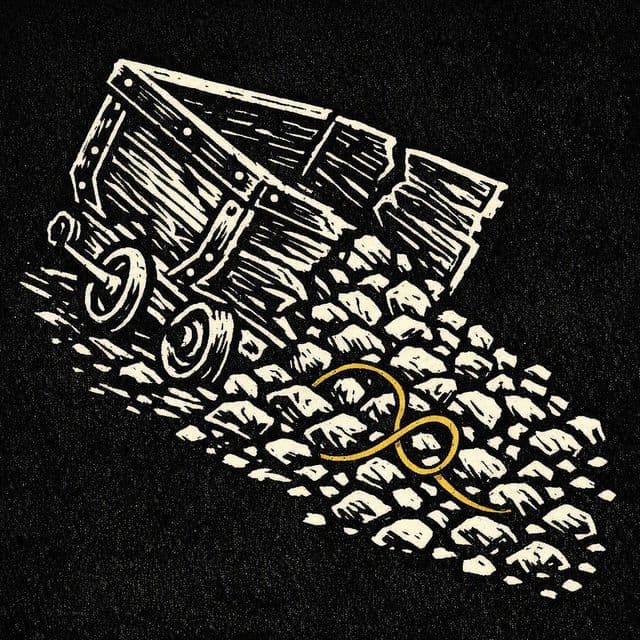
Global copper demand is projected to reach forty-two million metric tons by twenty-forty, yet the world's largest producers are facing a structural decline in ore quality. This episode explores how the energy transition's reliance on copper is colliding with the reality of aging mines like Chile's Escondida, where moving more rock results in less metal.

Deep in abandoned mines, physicists are waiting for a signal that may come once a century: the death of a proton. This episode explores the massive underground detectors built to witness an event that would prove all matter is slowly decaying, and the intergenerational commitment required to hunt for the ultimate expiration date of the universe.
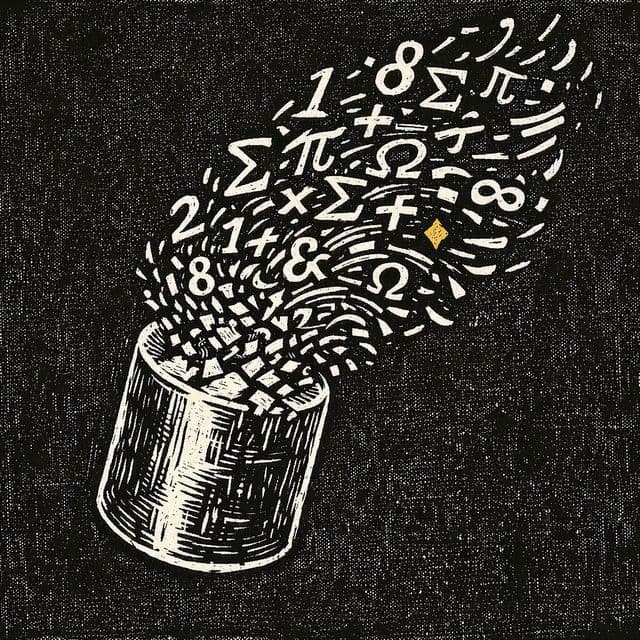
For over a century, the world's definition of mass rested on a single platinum-iridium cylinder in a French vault that was mysteriously drifting in weight. This is the story of how humanity retired the physical artifact in favor of the Planck constant, shifting our trust from objects we can hold to mathematical invariants of the universe.
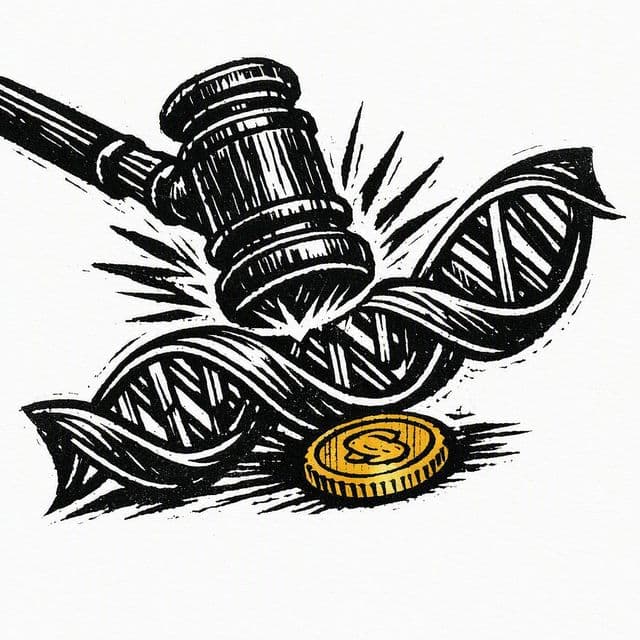
A single company quietly assembled DNA profiles from fifteen million consumers who spat into a tube for fun, then the company filed for bankruptcy. This is the story of how genetic data becomes an asset in a court-approved sale, and what a future buyer could do with the blueprint of people who never consented to being sold.

The world consumes more sand than any resource except water, and the specific river grains needed for concrete are vanishing faster than they can be replaced. This episode follows the collision between global construction demand and the fragile river deltas, like the Mekong, where illegal extraction is triggering environmental and social collapse.
The future, argued seriously. Episodes trace what actually changes if fusion works, what cities become when driving is optional, medicine after antibiotics, economies built on growth meeting falling birth rates, and what happens to human knowledge when machines write most of the internet. Where today's signals lead — without the hype, and without the doom.
Fylom episodes are researched, written, and voiced by AI. Automated checks help catch inaccuracies, but episodes aren't reviewed by a human and AI can still get things wrong. Treat them as a starting point, not a source of record — more in our accuracy disclaimer.